Policy and Legal Reforms
- Home
- Crisis Hotline
Overview
Fostering responsive protection and justice for children in Cambodia
APLE’s Policy and Legal Reform Program strengthens the national legal and policy environment to prevent and respond to child sexual abuse and exploitation. We support victim‑centered laws and child‑friendly procedures, boost implementation through practical tools and training, and foster multi‑organizational collaboration so every part of the system—justice, social services, education, media and industry—works together to protect children and uphold their rights.
What We Mean by Access to Justice
- Access to justice: Children who have experienced sexual exploitation have the right to a timely, fair remedy through the State criminal justice system, including protection, participation in proceedings, and pathways to compensation and recovery services.
- Best interests of the child: In all decisions affecting a child, their safety, development, views and unique needs must be a primary consideration.
- Child‑friendly justice: Justice that is accessible, age‑appropriate, speedy and respectful of privacy and dignity. It ensures due process for all parties while adapting procedures to the needs and rights of children (for example, child‑friendly interviews, in‑camera hearings, minimal repetition, and clear, age‑appropriate information).
About PROGRAM
Specific Goals
APLE works through four inter‑connected pillars to prevent abuse, protect victims, and hold perpetrators to account.
Enhanced Legal Frameworks
Support the development, alignment and enforcement of laws, policies and standards that prevent child sexual abuse and exploitation and protect victims.
Victim‑centered Implementation
Translate policy into practice with SOPs, tools and training that ensure child‑friendly, trauma‑informed responses in child abuse cases across sectors.
Multi‑sector and cross-border collaboration
Convene government, civil society, media and industry to co‑design solutions and maintain coordinated referral and accountability mechanisms.
Evidence Informed Advocacy
Use data, research and the voices of children and young survivors to inform legal reforms and drive public uptake of best practices in line with international standards.
About Program
What the Program Does
Child sexual exploitation and abuse is evolving. Offenders exploit travel, voluntourism, new digital platforms and poverty‑driven vulnerabilities. Cultural stigma, and limited resources remain major barriers. APLE focuses on high‑impact, sustainable interventions to meet these challenges.
Legal and policy development
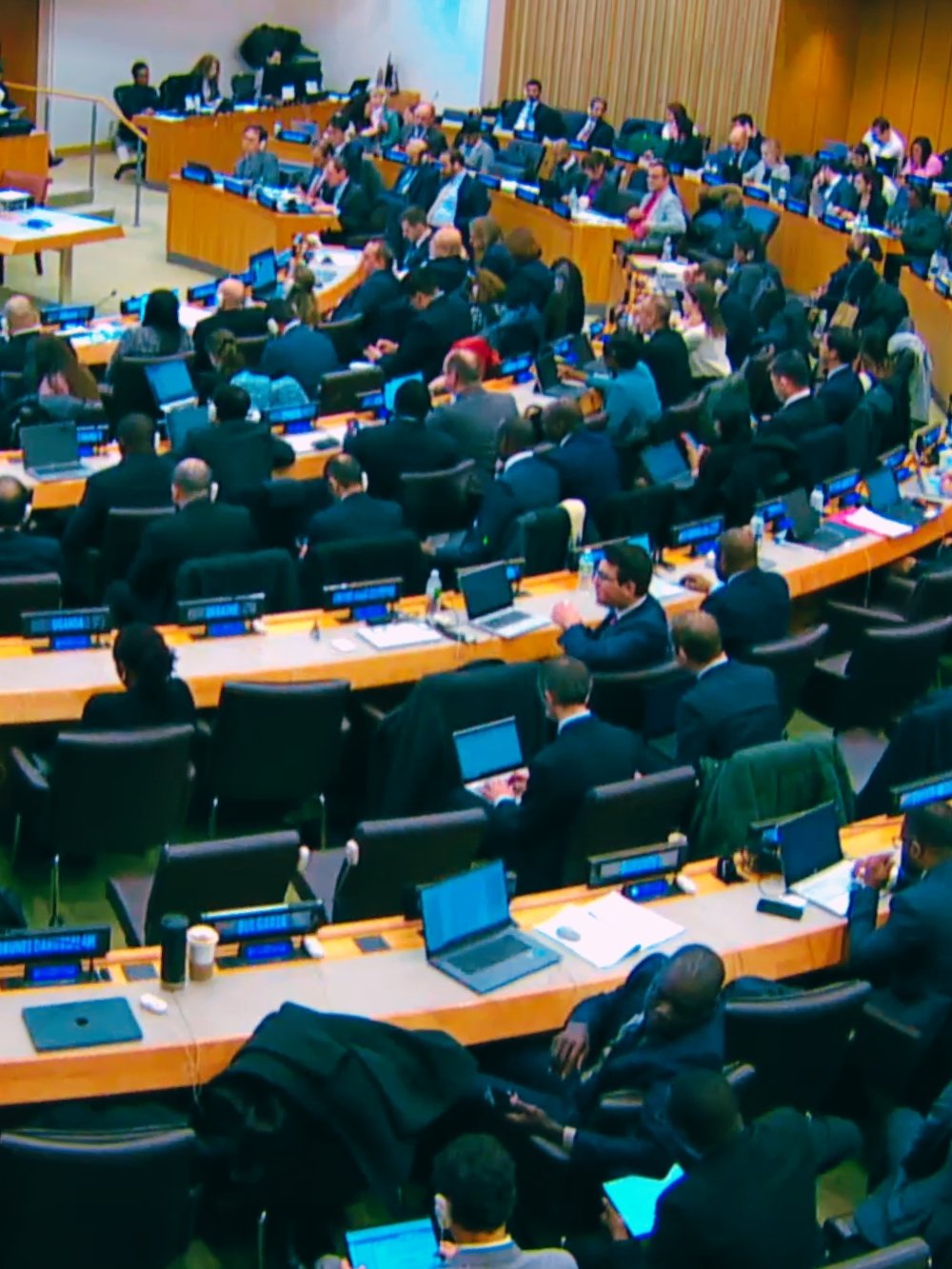
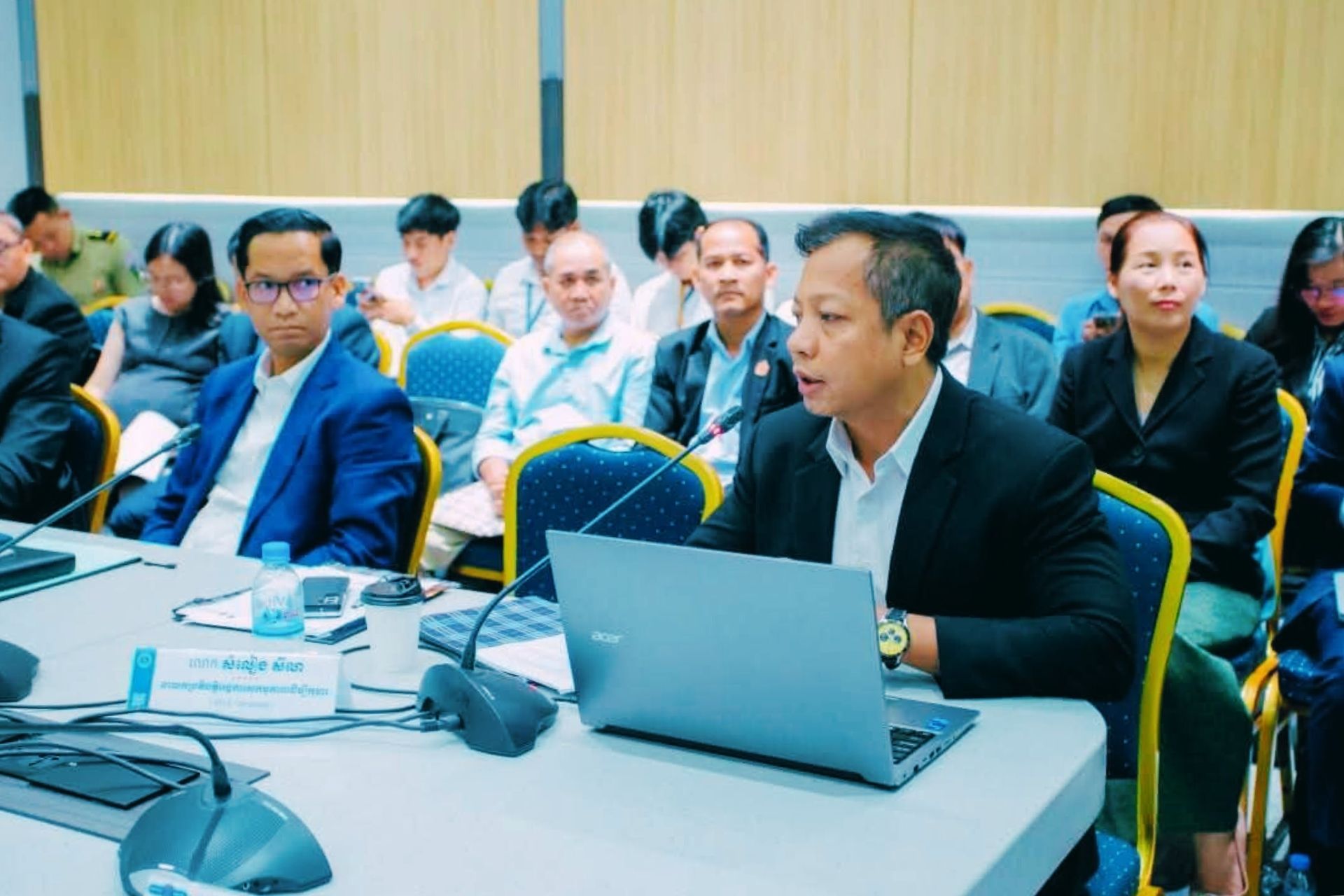
Legal gap analysis and technical input to draft or amend laws and regulations related to sexual exploitation and abuse of children (including online harms and CSAM). Development of national policies, guidelines and child‑friendly SOPs for justice, social services, education, media and industry. Alignment with international standards, including the UN Convention on the Rights of the Child (CRC), and the Optional Protocols.
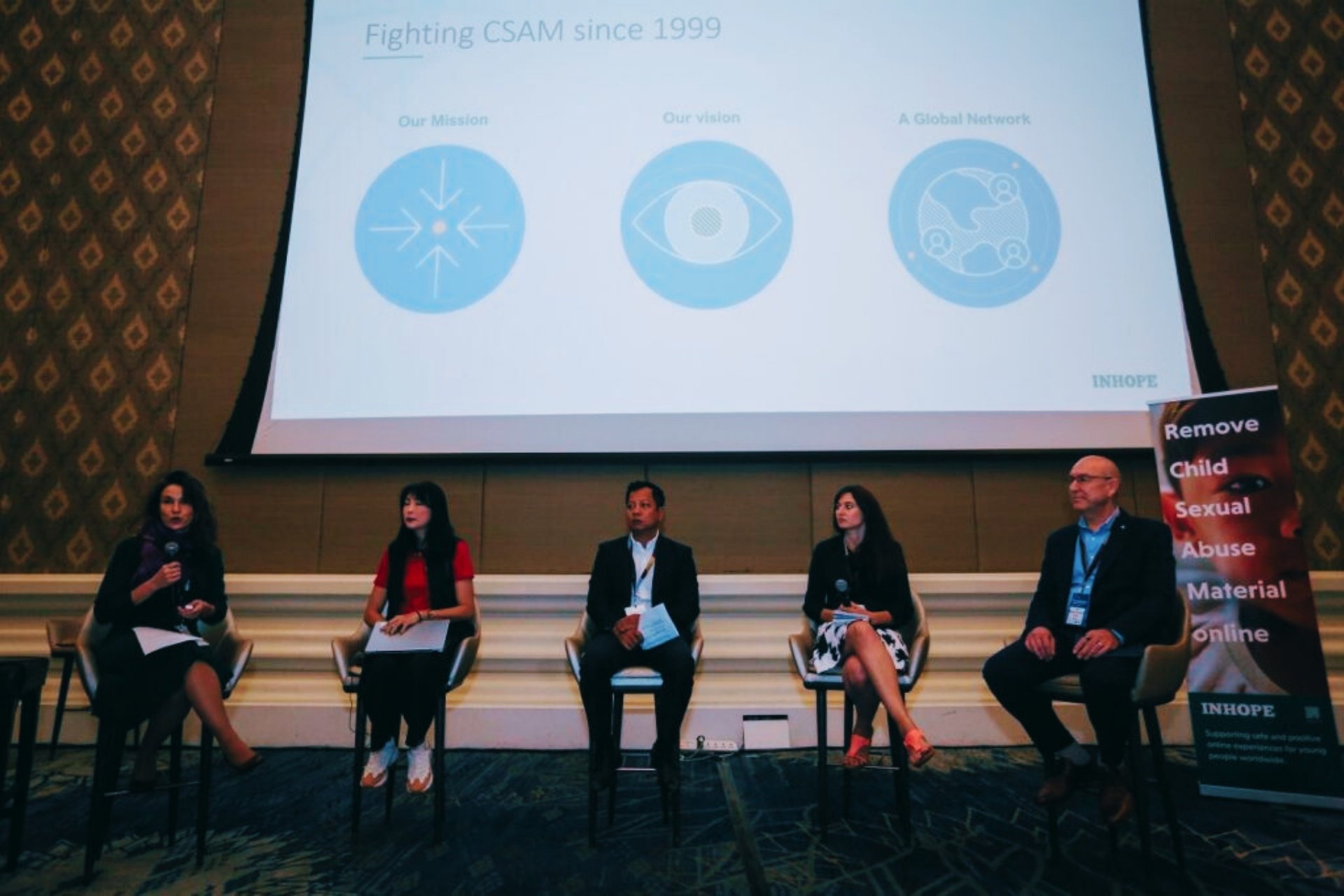
Stakeholder engagement and coordination
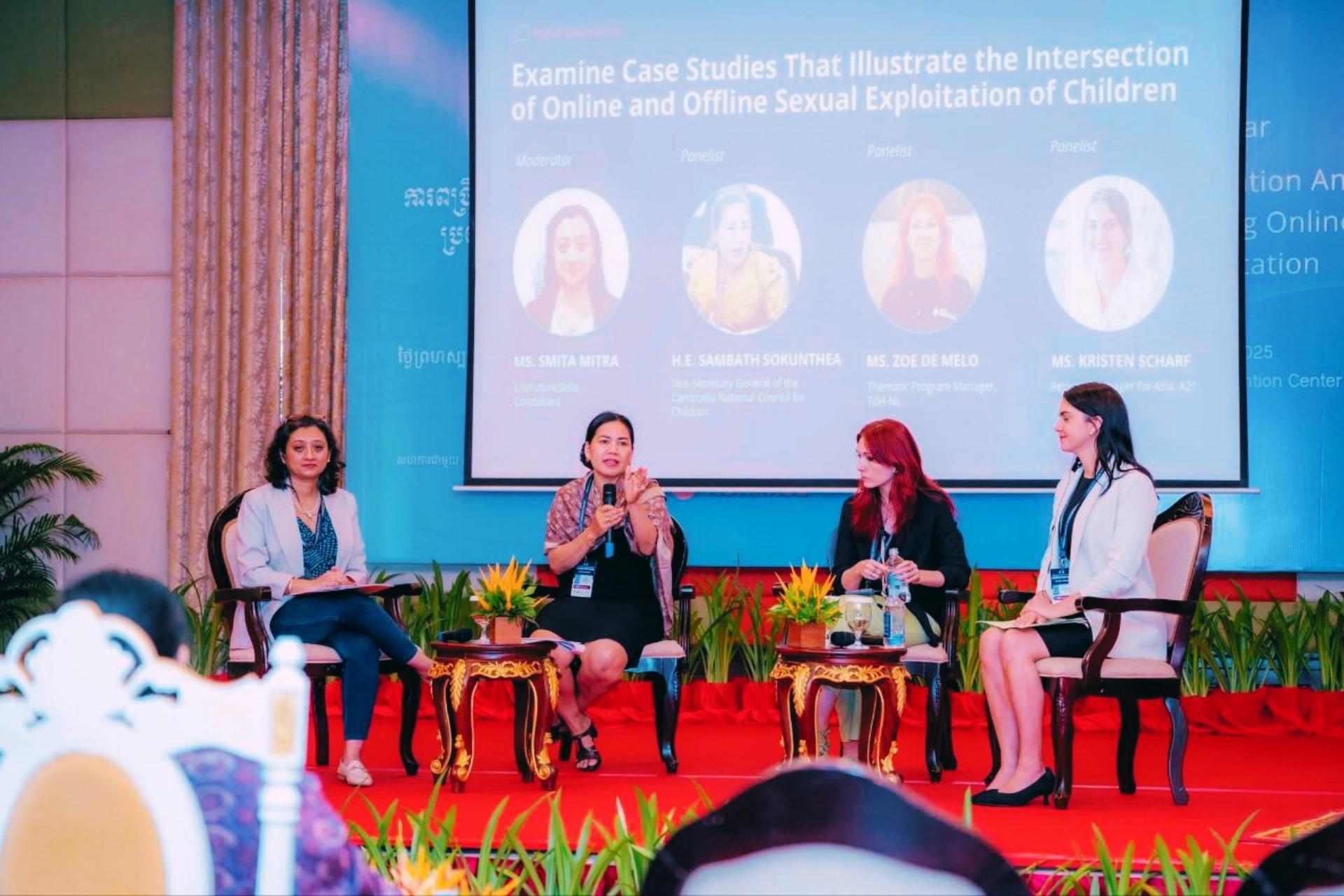
Bottom‑up, participatory consultations that bring together policymakers, practitioners and communities to co‑create practical solutions. Cross‑sector working groups to harmonize procedures, clarify roles and establish referral pathways that are accessible and child‑centered. Ongoing accompaniment to ministries and local authorities to move policies from paper to practice.
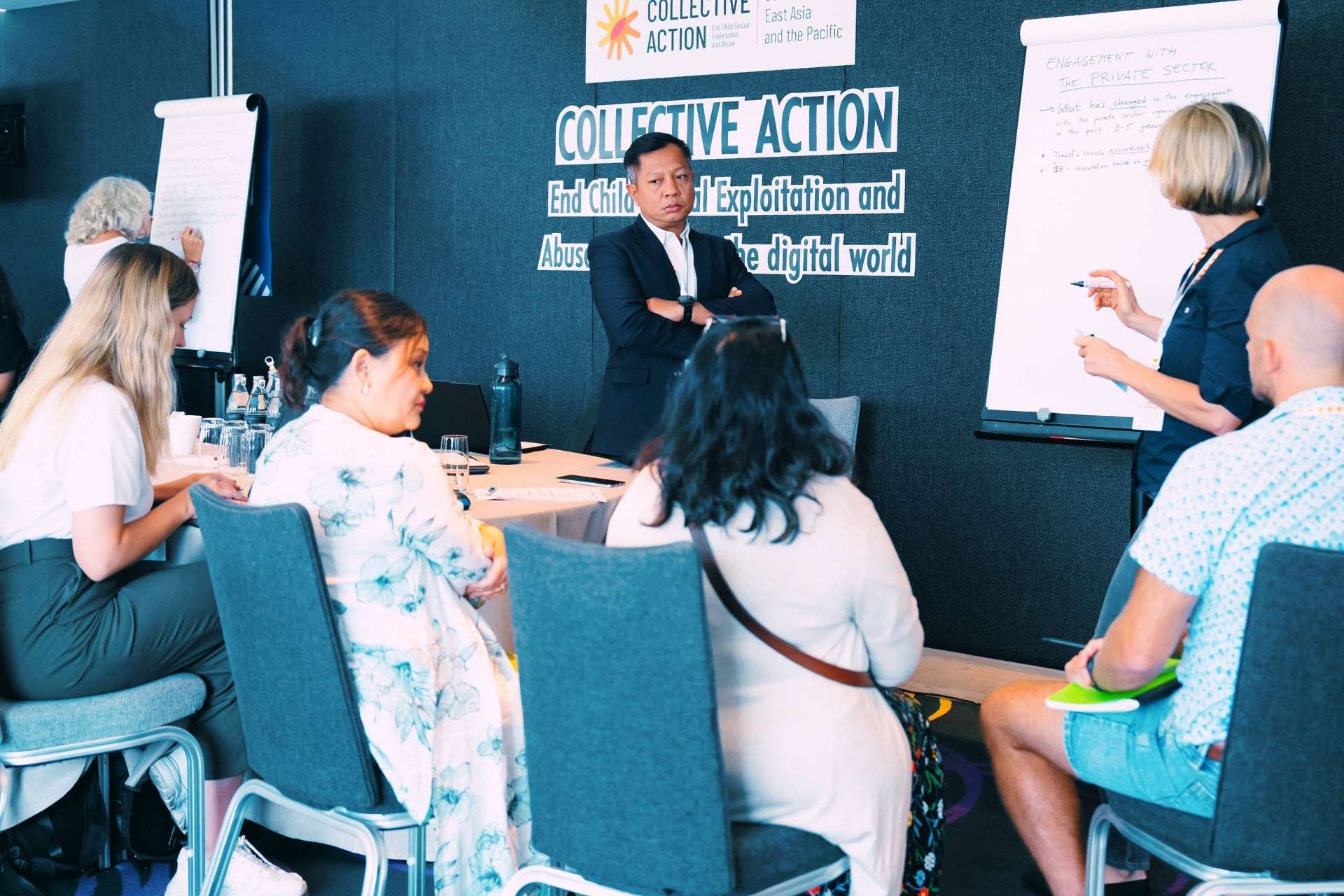
Child participation and survivor‑informed policy
Meaningful consultations with children and young survivors to ensure their perspectives shape laws, policies and implementation strategies. Tools and guidance for practitioners to engage boys and girls in gender‑sensitive, age‑appropriate ways, informed by global practice. Blended advocacy that combines grassroots mobilization with policy engagement, using child‑friendly messages & appropriate terminology.
Priority Reform Areas
Children face unique and often compounding obstacles in accessing information, services and justice. Our program is designed to tackle common barriers seen in many countries, including Cambodia.
- Child‑friendly procedures in investigations and courts (minimizing repeated interviews, ensuring privacy and non‑confrontational settings).
- Safe‑harbour protections and clear reporting pathways for children and caregivers.
- Compensation and restitution mechanisms, including victim funds and streamlined claims.
- Digital safety and online child sexual exploitation (grooming, sextortion, CSAM)—clarifying offences, responsibilities and rapid removal/reporting protocols.
- Industry safeguards: mandatory child‑protection policies, staff training and reporting SOPs in travel, tourism, hospitality, transport and technology.
- Accessible, child‑sensitive information materials across all sectors.
Program Needs
Barriers the Program Addresses
Child sexual exploitation and abuse is evolving with digital platforms, travel and voluntourism. Justice systems everywhere face resource constraints and complex cases.
Gaps or inconsistencies in laws and policies, especially for online harms and industry accountability.

Lack of coordination across sectors & technical and capacity constraints that slow adoption and enforcement.

Stigma that deters reporting and access to remedies and inconsistent implementation of child‑friendly procedures.

Learn More
Important Terminologies
Using correct terminology helps in advocating for the seriousness of the crime and encourages appropriate legal action and social response.
refers to images, videos, writings, and/or recordings of child sexual abuse or exploitation
The term child sexual abuse material is increasingly being used to replace the term child pornography. This switch of terminology is based on the argument that sexualized material that depicts or otherwise represents children is indeed a representation, and a form, of child sexual abuse, and should not be described as pornography. As the hotline and child protection professional, we prefer to use the terminology 'CSAM', to 'Child Pornography', The term we use does matter. To learn more about terminology guidelines, click here.
refers to the act of soliciting a child, either in person or through the use of the internet for sexual purposes such as to receive sexual images online or to meet in person to sexually exploit him/her
refers to the act of using self-produced sexual messages/pictures of a child in order to threaten him/her for sexual favor, money or other benefits
refers to the act of using a child in sexual activities that are recorded and transmitted live over the Internet
refers to the act of sexually exploiting a child that is involved in a context of travel, tourism, or both, and can be
committed by either foreign or domestic tourists and travelers
refers to the act of forcing a child to have sex against her or his will, often involving the use of physical force or violence
refers to the act of involving a child in sexual activity against his/her consent such as touching the child's genital or molesting the child for sexual gratification
Ask Question
Frequently Asked Questions
What role does APLE play in shaping child protection policies and laws?
PLE actively contributes expert insights to policy and law drafting, collaborating with governmental bodies to enhance child protection frameworks in line with international standards.
How has APLE improved access to justice for child victims of sexual exploitation and abuse?
By advocating for legal reforms, APLE has helped strengthen laws to provide clearer, more accessible pathways for child victims and their families to seek justice and support.
What principles guide APLE's advocacy for policy and legal reforms?
APLE’s efforts are guided by the United Nations Convention on the Rights of the Child, emphasizing non-discrimination, the best interests of the child, the right to life and development, and the right to be heard.
How does APLE ensure that child protection laws are age-appropriate and effective?
Through rigorous analysis and advocacy, APLE works to ensure that all child protection laws are tailored to be age-appropriate, focusing on the unique vulnerabilities and needs of children.
In what ways has APLE's policy and legal reform work impacted children in Cambodia?
APLE’s work has led to the strengthening of legal protections against sexual exploitation and abuse, creating a safer environment for children and promoting their rights and well-being across Cambodia.
Cookie Consent
Our site uses cookies to enhance your experience and analyze traffic. By clicking "Accept All," you agree to our use of cookies. You can choose to deny or manage your cookie preferences.
Functional Always active
The technical storage or access is strictly necessary for the legitimate purpose of enabling the use of a specific service explicitly requested by the subscriber or user, or for the sole purpose of carrying out the transmission of a communication over an electronic communications network.
Preferences
The technical storage or access is necessary for the legitimate purpose of storing preferences that are not requested by the subscriber or user.
Statistics
The technical storage or access that is used exclusively for statistical purposes.
The technical storage or access that is used exclusively for anonymous statistical purposes. Without a subpoena, voluntary compliance on the part of your Internet Service Provider, or additional records from a third party, information stored or retrieved for this purpose alone cannot usually be used to identify you.
Marketing
The technical storage or access is required to create user profiles to send advertising, or to track the user on a website or across several websites for similar marketing purposes.
Policy Gaps