

Seeking Help
- Home
- Report Abuse
Looking for Help
We're Here to Help
If you or someone you know is a victim of sexual exploitation and abuse, APLE and our partners are here to provide immediate support, guidance, and resources to ensure your safety. We understand the courage it takes to seek help, and we’re committed to offering assistance.

Crisis Support
Need urgent help? Call emergency services. Contact APLE’s hotline for confidential support, guidance, and reporting options.

Report Abuse
Report sexual exploitation or abuse anonymously through our secure platform. Every report is a crucial step towards protecting others.
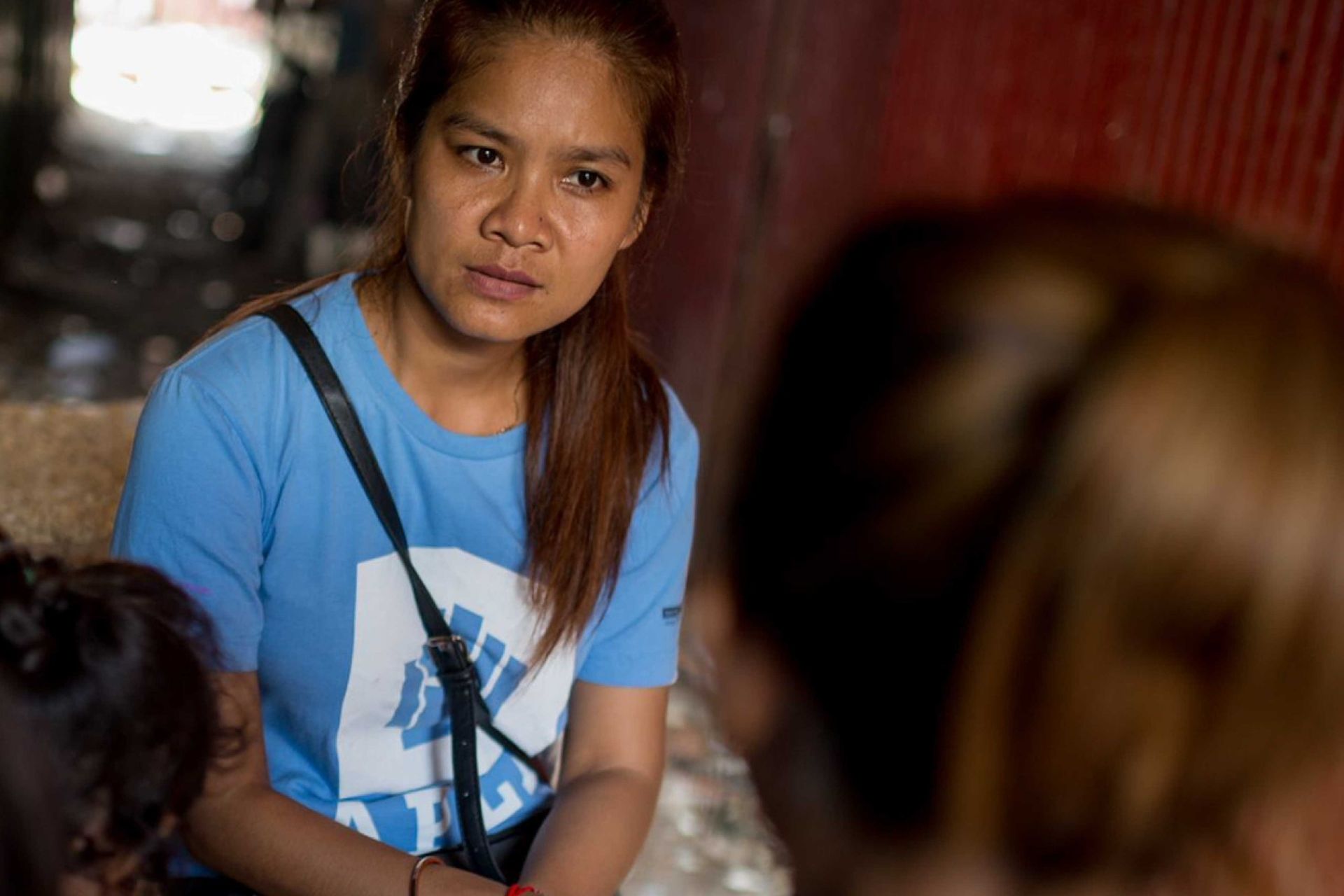
Victim Service
We offer counseling to help victims and families cope with harms. We provide legal advice and representation for victims’ protection and justice.

What happens after you report
Rapid risk assessment and a child-centered safety plan. Evidence preservation and secure referrals to police and social services. Survivor-focused case management, medical care, psychosocial support, and legal assistance. Updates on takedown actions, investigation progress, and next steps.

Support Available
Emergency protection, shelter, and medical care. Trauma-informed counseling and psychosocial support. Legal guidance and court accompaniment. School reintegration, community support, and long-term recovery planning.

Your Privacy & Rights
Confidential services with informed consent and child-friendly approaches. Non-discrimination and respect for dignity throughout the process. Data protection aligned with international standards. You choose the support you receive and can withdraw at any time.
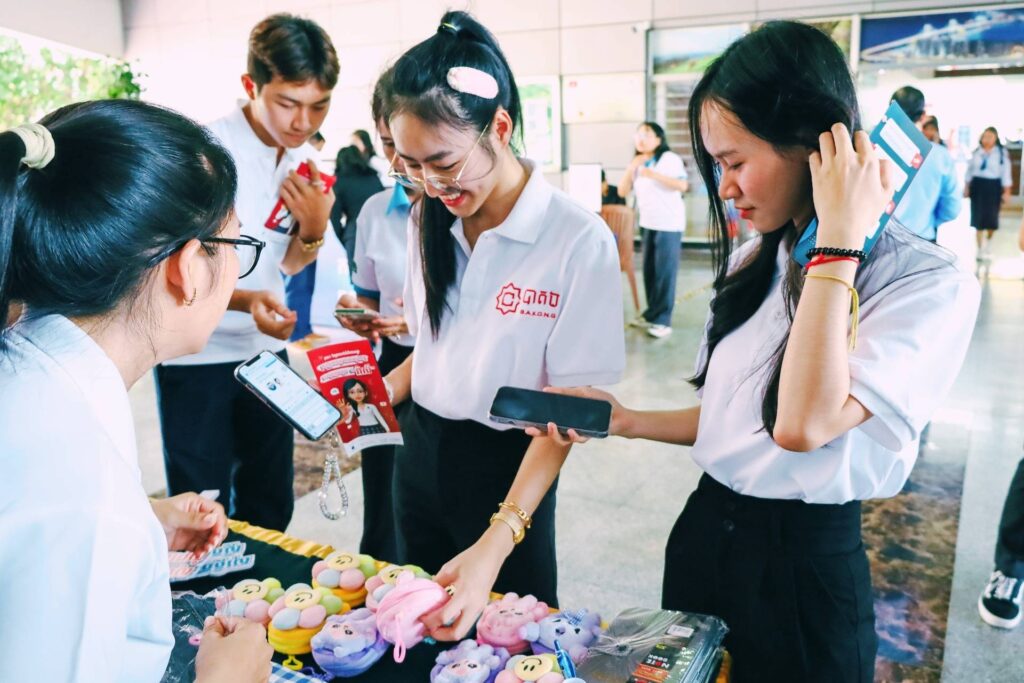
Online Safety Tips
Guidance for Children and Young People
- Tell a trusted adult (parent, teacher, counselor) or call APLE directly.
- Block and report abusive accounts; adjust privacy settings on apps.
- Don’t share intimate images; if you’re coerced or threatened, seek help immediately.
- Keep evidence safely (messages, usernames, timestamps); never store illegal content.
Guidance for Parents & Caregivers
- Talk calmly and reassure your child it’s not their fault.
- Use safety features: privacy controls, family pairing (TikTok), two-factor authentication, and content filters.
- Document non-illegal information and report promptly to APLE and the police.
- Ask APLE for safety planning, digital hygiene training, and support services.
Guidance for schools and child-serving organizations
- Follow national safeguarding SOPs; activate your safeguarding lead.
- Refer to APLE for case management, training, and policy reviews.
- Provide a private, supportive space for disclosures; avoid repeated interviews to reduce trauma.
- Coordinate with social services for protection and ongoing support.

Learn More
Important Terminologies
Using correct terminology helps in advocating for the seriousness of the crime and encourages appropriate legal action and social response.
refers to images, videos, writings, and/or recordings of child sexual abuse or exploitation
The term child sexual abuse material is increasingly being used to replace the term child pornography. This switch of terminology is based on the argument that sexualized material that depicts or otherwise represents children is indeed a representation, and a form, of child sexual abuse, and should not be described as pornography. As the hotline and child protection professional, we prefer to use the terminology 'CSAM', to 'Child Pornography', The term we use does matter. To learn more about terminology guidelines, click here.
refers to the act of soliciting a child, either in person or through the use of the internet for sexual purposes such as to receive sexual images online or to meet in person to sexually exploit him/her
refers to the act of using self-produced sexual messages/pictures of a child in order to threaten him/her for sexual favor, money or other benefits
refers to the act of using a child in sexual activities that are recorded and transmitted live over the Internet
refers to the act of sexually exploiting a child that is involved in a context of travel, tourism, or both, and can be
committed by either foreign or domestic tourists and travelers
refers to the act of forcing a child to have sex against her or his will, often involving the use of physical force or violence
refers to the act of involving a child in sexual activity against his/her consent such as touching the child's genital or molesting the child for sexual gratification
Cookie Consent
Our site uses cookies to enhance your experience and analyze traffic. By clicking "Accept All," you agree to our use of cookies. You can choose to deny or manage your cookie preferences.
Functional
Always active
The technical storage or access is strictly necessary for the legitimate purpose of enabling the use of a specific service explicitly requested by the subscriber or user, or for the sole purpose of carrying out the transmission of a communication over an electronic communications network.
Preferences
The technical storage or access is necessary for the legitimate purpose of storing preferences that are not requested by the subscriber or user.
Statistics
The technical storage or access that is used exclusively for statistical purposes.
The technical storage or access that is used exclusively for anonymous statistical purposes. Without a subpoena, voluntary compliance on the part of your Internet Service Provider, or additional records from a third party, information stored or retrieved for this purpose alone cannot usually be used to identify you.
Marketing
The technical storage or access is required to create user profiles to send advertising, or to track the user on a website or across several websites for similar marketing purposes.