

0

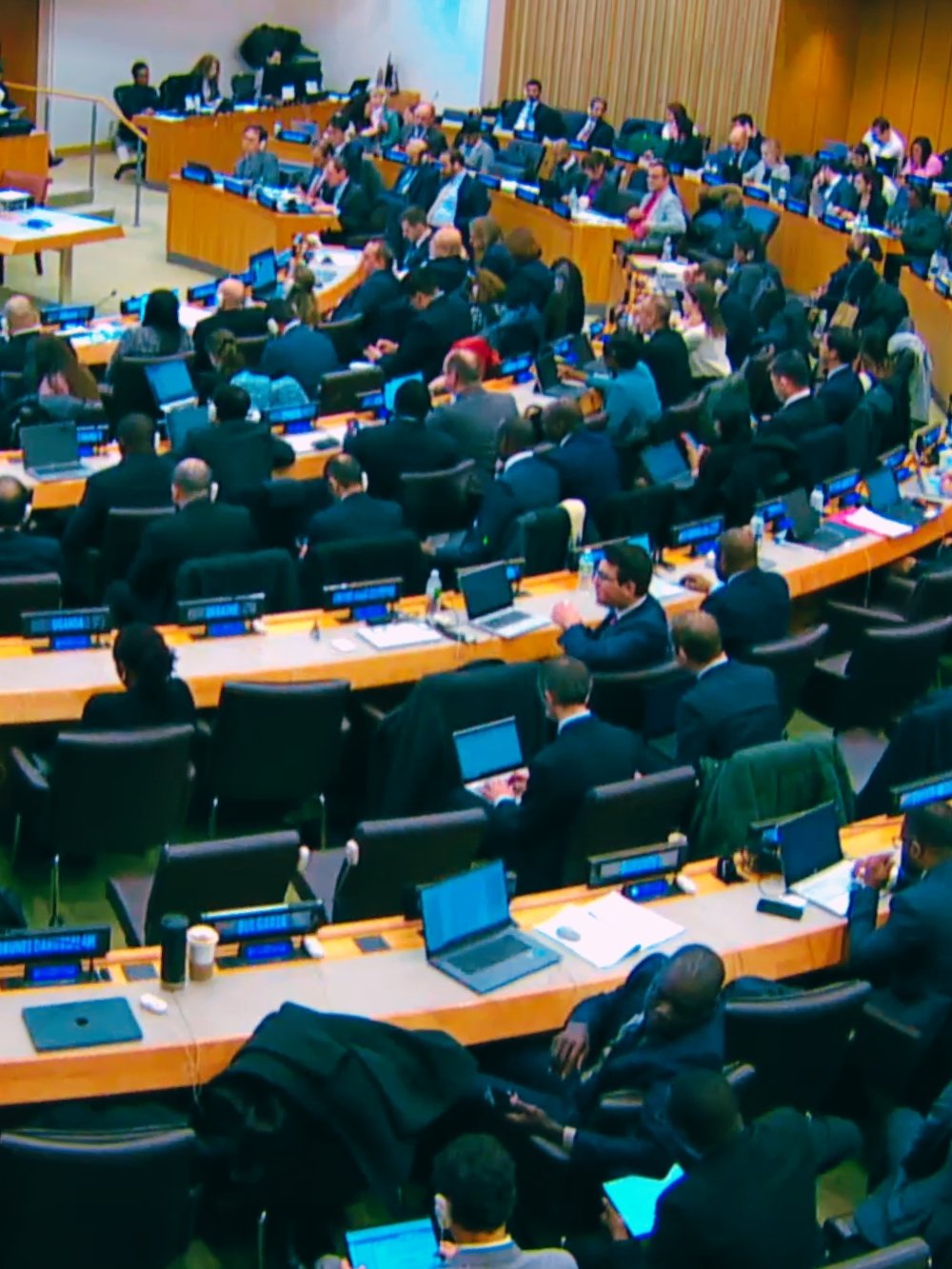
APLE’ s Justice and Legal Support Program is a vital pillar of our mission to protect children from sexual abuse and exploitation. We work with police, prosecutors, judges and social-service partners to strengthen knowledge, skills and coordination so that cases are handled effectively and sensitively, and child survivors can access justice safely and without delay.
APLE works through four inter‑connected pillars to prevent abuse, protect victims, and hold perpetrators to account.
Strengthen the capacity of law enforcement and justice actors to investigate and prosecute child sexual exploitation, both online and offline.
Ensure child survivors can safely participate in legal proceedings, understand their rights, and receive support, protection and remedies.
Improve collaboration across police, prosecution, courts, social services and NGOs for coordinated, child‑centred response.
Inform policy and legal reforms aligned with international standards, including the Convention on the Rights of the Child.
Child sexual exploitation and abuse is evolving. Offenders exploit travel, voluntourism, new digital platforms and poverty‑driven vulnerabilities. Cultural stigma, and limited resources remain major barriers. APLE focuses on high‑impact, sustainable interventions to meet these challenges.

Training for police, prosecutors, judges and social workers on online child sexual exploitation (OCSE), grooming and sextortion; handling CSAM; evidence preservation and digital forensics; trauma‑informed interviewing; child participation and due process; privacy, consent and data protection.
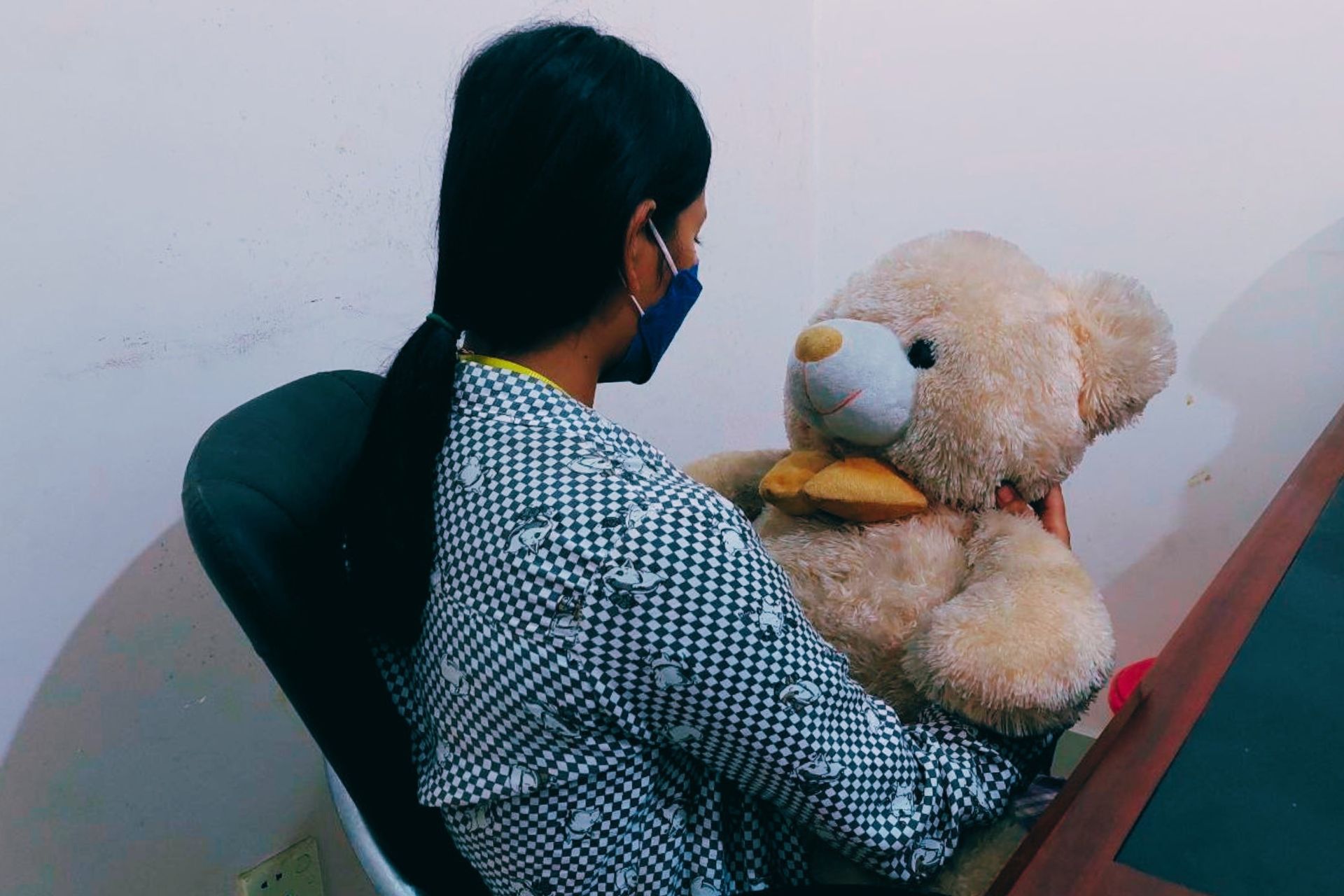
Proactive investigations and forensic evidence support in close collaboration with the Anti‑Human Trafficking and Juvenile Protection Units. Establishment and use of child‑friendly interview rooms; accompaniment of children and caregivers through investigations and court.

Intelligence‑sharing and joint operations with national and international law‑enforcement partners and INHOPE/ECPAT networks. Engagement with digital platforms, tourism and volunteer‑sending organizations to prevent abuse and improve reporting.
Children face unique and often compounding obstacles in accessing justice. Our program is designed to tackle common barriers seen in many countries, including Cambodia.
Child sexual exploitation and abuse is evolving with digital platforms, travel and voluntourism. Justice systems everywhere face resource constraints and complex cases. By investing in capacity, coordination and child‑centred practice, Cambodia can reduce impunity, improve survivor recovery, and deliver credible, fair justice that deters future offending.
Child sexual exploitation and abuse is evolving with digital platforms, travel and voluntourism.

Justice systems everywhere face resource constraints and complex cases to handle effectively.

Child‑centred practice can reduce impunity, improve survivor recovery, and deliver justice that deters future offending.
Achievements in 2025

Using correct terminology helps in advocating for the seriousness of the crime and encourages appropriate legal action and social response.
refers to images, videos, writings, and/or recordings of child sexual abuse or exploitation
The term child sexual abuse material is increasingly being used to replace the term child pornography. This switch of terminology is based on the argument that sexualized material that depicts or otherwise represents children is indeed a representation, and a form, of child sexual abuse, and should not be described as pornography. As the hotline and child protection professional, we prefer to use the terminology 'CSAM', to 'Child Pornography', The term we use does matter. To learn more about terminology guidelines, click here.
refers to the act of soliciting a child, either in person or through the use of the internet for sexual purposes such as to receive sexual images online or to meet in person to sexually exploit him/her
refers to the act of using self-produced sexual messages/pictures of a child in order to threaten him/her for sexual favor, money or other benefits
refers to the act of using a child in sexual activities that are recorded and transmitted live over the Internet
refers to the act of sexually exploiting a child that is involved in a context of travel, tourism, or both, and can be
committed by either foreign or domestic tourists and travelers
refers to the act of forcing a child to have sex against her or his will, often involving the use of physical force or violence
refers to the act of involving a child in sexual activity against his/her consent such as touching the child's genital or molesting the child for sexual gratification
Child sexual abuse is the most serious violation of the right of the child and leaves a devastating impact on a young child. The presence of child sexual abuse images and videos online means the child continues to be abused every time his/her images are seen.
By reporting abuse, you are helping us with the possible rescue of a child victim, the removal of images and the possible prosecution of an offender.
Your report will be assessed by our hotline analysts and may be sent to the police for investigation.
If you report possible images or videos of CSAM, we may coordinate notice and takedown actions with the law enforcement authority and/or other appropriate agencies to have the illegal content removed from the internet and enable a possible investigation by police.
An image, video or any other visible or electronic material depicting a child's nudity which excites or stimulates sexual desire is defined as child pornography.
Under the Cambodia's Law on Suppression of Human Trafficking and Sexual Exploitation (2008), distribution, production and possession for distribution of child pornography is a criminal offence and may face up to 20 years of imprisonment and a fine of up to 10 million Riel.
Yes, you can make a complaint about our hotline service, including the behaviour of our staff. We take your complaint seriously, so please feel free to give us as much information as possible so that we can resolve any issue in the best possible way.
If you have concerns regarding the services provided by APLE staff members, it is imperative that these are addressed promptly and efficiently. We encourage individuals to report such matters in good faith and in accordance with our established policies. Below are the formal steps to report your concerns:
Identification of Concern:
Clearly identify and document the issue encountered with the APLE services or staff. Accurate details and any supporting information or evidence will aid in the investigative process.
Documentation:
Write a detailed account of the issue, including the nature of the concern, parties involved, any attempts at resolution thus far, and your desired outcome.
Submission of your complaint:
Refer to our Speak Up Policy for the specific channels provided for formal complaints, or complete this online form to submit your complaint.
Acknowledgment:
Receipt of your complaint will be confirmed within an agreed timeframe, as outlined in the policy.
Investigation:
The complaint will be subject to a thorough and impartial investigation. Confidentiality will be maintained throughout the process, and all efforts will be made to resolve the issue expediently.
Resolution and Feedback:
Upon conclusion of the investigation, you will be informed of the findings and the corrective actions to be taken.
Importance of Reporting:
Your willingness to report concerns is invaluable to our continuous improvement efforts. It allows us to address and rectify issues in adherence to our organizational values and policies.
If a complaint is submitted by email, and it does not have verifiable contact details, we will acknowledge the complaint to the e-mail address from which it appears to have been sent, requesting the contact detail. If such details are not provided, the complaint will not be accepted.
If the complaint is valid, we will acknowledge the complaint and the matter will be carefully investigated. Any complaint about the hotline service delivery will be handled by the hotline manager who will then report to the executive director. Any complaint about the staff behavior will be reported to the executive director or the child protection focal point if the behavior involves child safety. You can read our child protection policy here.
Any complaint about the executive director will be investigated by the Board of Directors.
If the complaint is upheld, remedial action is taken and the complainant is informed.
If the complaint is not upheld, the complainant is informed of the outcome.
Where the complaint is not upheld, we will delete any personal data stored from our system, following 90 days. If a subsequent complaint was received by the same complainant, this retention period would start again from the date of receipt of the new complaint.
Our site uses cookies to enhance your experience and analyze traffic. By clicking "Accept All," you agree to our use of cookies. You can choose to deny or manage your cookie preferences.
Our site uses cookies to enhance your experience and analyze traffic. By clicking "Accept All," you agree to our use of cookies. You can choose to deny or manage your cookie preferences.
Complexities