

0
+
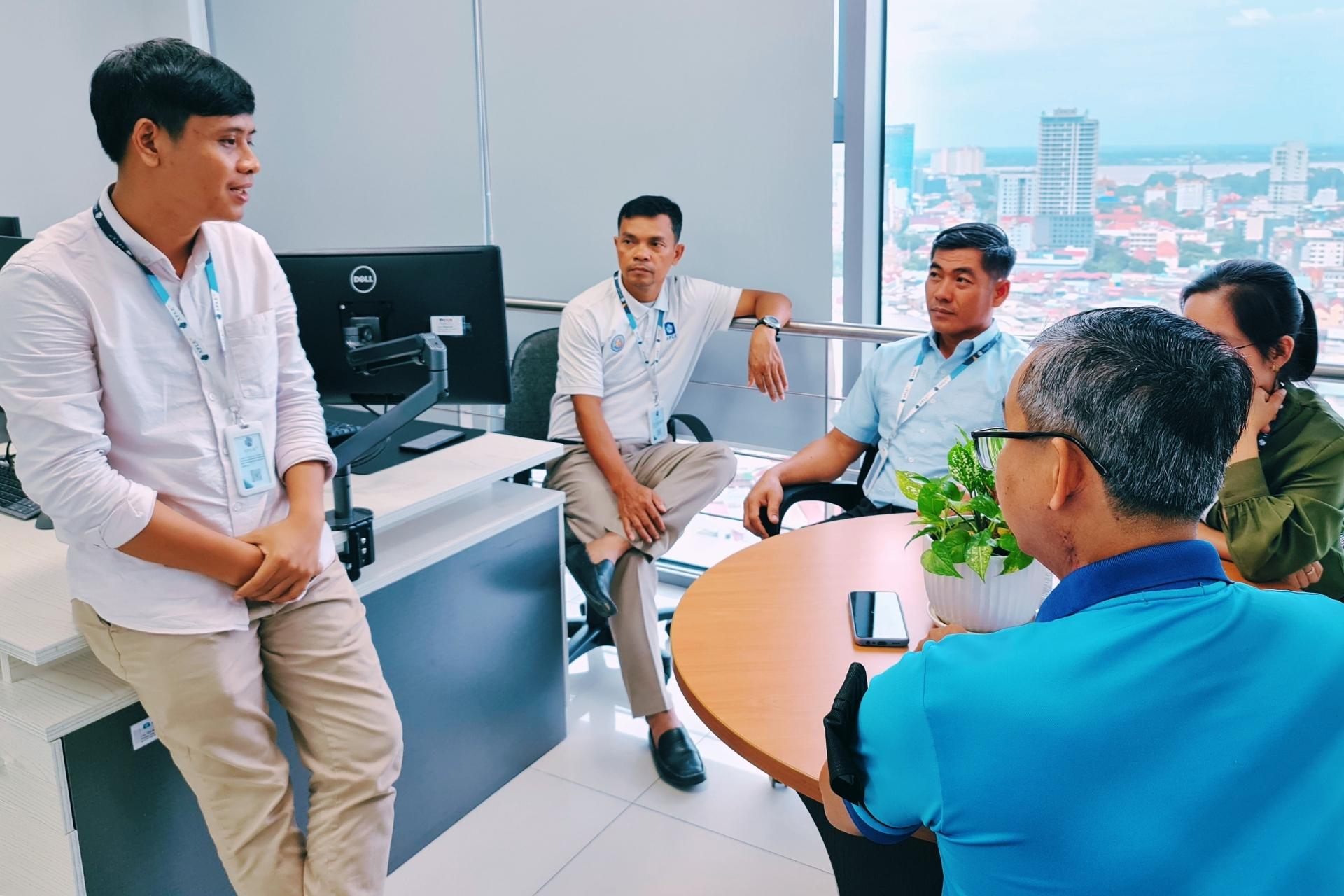

Since 2015, APLE Cambodia has operated a dedicated Internet Hotline in partnership with INHOPE, the global network of 54 internet hotlines across 50 countries. Connected to law enforcement, internet/electronic service providers and peer hotlines worldwide, APLE’s hotline enables timely notice and takedown of illegal online content involving children and supports coordinated investigations and victim protection.
APLE works through four inter‑connected pillars to prevent abuse, protect victims, and hold perpetrators to account.
Anyone can report suspected CSAM or online child sexual exploitation and abuse without sharing personal details. Your privacy is protected.
Trained analysts review and classify reported URLs (content) against Cambodian law and international standards and document cases for action.
Confirmed illegal content is sent to the relevant hosting provider or platform for removal. Where appropriate, cases are referred to national law enforcement.
Through INHOPE, APLE directs reports to the right country hotline and partners, accelerating takedown and enforcement across borders.
To report suspected CSAM or online child sexual exploitation, call the hotline or visit our Report Abuse page. Reports can be made anonymously.

Child sexual abuse material (CSAM): Any online content that depicts nudity, sexual abuse or exploitation activity involving a child, including images, videos, live streams, self-generated, and manipulated content.

Online child sexual exploitation: Grooming, sextortion, coerced sharing of intimate images, livestreamed child sexual abuse, and attempts to purchase/solicit sexual contact with a child online.

Cyberbullying of children of a sexual nature: serious online abuse that undermines a child’s safety and well-being, including sexualized harassment, coercion, grooming, and image-based abuse.
Child sexual exploitation and abuse is evolving with digital platforms, travel and voluntourism. Justice systems everywhere face resource constraints and complex cases.
Fear, stigma and uncertainty about how to report illegal content

Slow or fragmented takedown processes across jurisdictions

Limited public understanding of CSAM and online child exploitation
Achievements in 2025

Using correct terminology helps in advocating for the seriousness of the crime and encourages appropriate legal action and social response.
refers to images, videos, writings, and/or recordings of child sexual abuse or exploitation
The term child sexual abuse material is increasingly being used to replace the term child pornography. This switch of terminology is based on the argument that sexualized material that depicts or otherwise represents children is indeed a representation, and a form, of child sexual abuse, and should not be described as pornography. As the hotline and child protection professional, we prefer to use the terminology 'CSAM', to 'Child Pornography', The term we use does matter. To learn more about terminology guidelines, click here.
refers to the act of soliciting a child, either in person or through the use of the internet for sexual purposes such as to receive sexual images online or to meet in person to sexually exploit him/her
refers to the act of using self-produced sexual messages/pictures of a child in order to threaten him/her for sexual favor, money or other benefits
refers to the act of using a child in sexual activities that are recorded and transmitted live over the Internet
refers to the act of sexually exploiting a child that is involved in a context of travel, tourism, or both, and can be
committed by either foreign or domestic tourists and travelers
refers to the act of forcing a child to have sex against her or his will, often involving the use of physical force or violence
refers to the act of involving a child in sexual activity against his/her consent such as touching the child's genital or molesting the child for sexual gratification
Yes, you can report suspected illegal content, especially CSAM, anonymously. Your privacy and safety are a priority.
Report any online material you suspect to be Child Sexual Abuse Material (CSAM) or related to child sexual exploitation.
Our trained analysts review your report. If the content is illegal, they work with ISPs, hosting providers, and law enforcement to remove it and take further action if needed.
A Notice and Takedown order is a procedure for asking a Hosting Provider (HP) or search engine to immediately remove or disable access to illegal, irrelevant or outdated information hosted on their
services.
Absolutely. Each report contributes to identifying and removing CSAM from the internet, protecting children from continued exploitation and helping law enforcement catch perpetrators.
The INHOPE hotline acts swiftly upon receiving a report, with trained analysts reviewing content as quickly as possible to initiate the notice and takedown process for illegal material.
Content (CSAM) removed is the time stamp recorded on ICCAM when a hotline confirms that the instance of the image and/or video has been removed from the internet.
Our site uses cookies to enhance your experience and analyze traffic. By clicking "Accept All," you agree to our use of cookies. You can choose to deny or manage your cookie preferences.
Our site uses cookies to enhance your experience and analyze traffic. By clicking "Accept All," you agree to our use of cookies. You can choose to deny or manage your cookie preferences.
Under-reporting