Community, Media and Industry Engagement

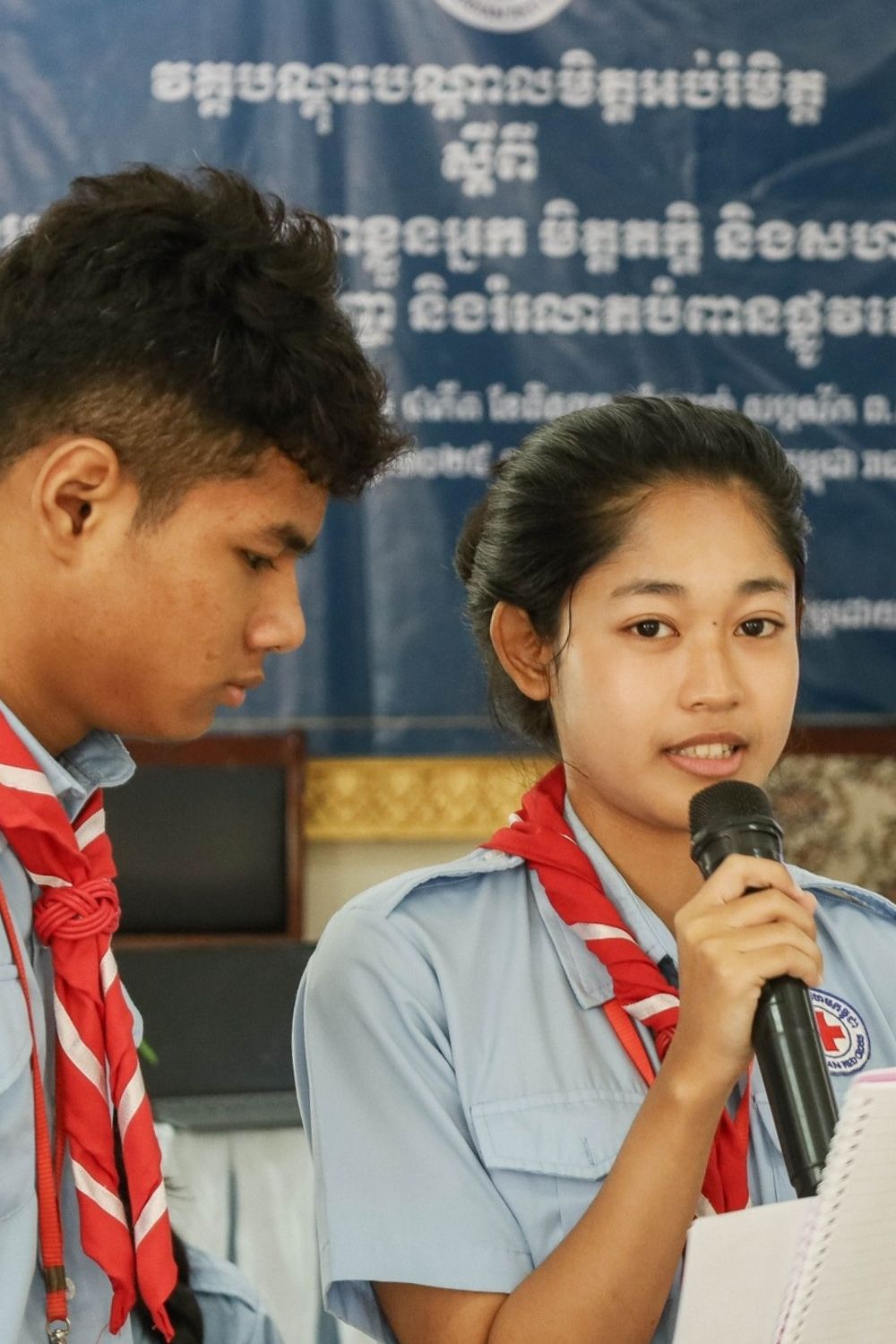
Overview
Creating lasting change and protecting vulnerable children
APLE’s Community, Media and Industry Engagement Program strengthens the resilience of at‑risk communities and mobilizes multi‑sector action to prevent child sexual abuse and exploitation. We focus on prevention as the first line of defense—building knowledge, skills, and protective networks—while increasing private‑sector engagement and responsible media and technology practices that put children’s safety and dignity first.
- Access to justice: Children who have experienced sexual exploitation have the right to a timely, fair remedy through the State criminal justice system, including protection, participation in proceedings, and pathways to compensation and recovery services.
- Best interests of the child: In all decisions affecting a child, their safety, development, views and unique needs must be a primary consideration.
- Child‑friendly justice: Justice that is accessible, age‑appropriate, speedy and respectful of privacy and dignity. It ensures due process for all parties while adapting procedures to the needs and rights of children (for example, child‑friendly interviews, in‑camera hearings, minimal repetition, and clear, age‑appropriate information).
ABOUT PROGRAM
Specific Goals
APLE works through four inter‑connected pillars to prevent abuse, protect victims, and hold perpetrators to account.
Targeted education
Improve awareness and help‑seeking skills among children, young people, parents and communities so risks are recognized early, and support is accessed quickly.
Public Awareness
Share clear, evidence‑based information about child sexual abuse, online harms, protection measures, and reporting mechanisms to reduce stigma and increase action.
Private Sector Engagement
Increase the adoption of child‑safeguarding policies, staff training and reporting procedures across travel, tourism, hospitality, transport and technology sectors.
Prevention Ecosystem
Strengthen social protection mechanisms, community‑led monitoring and coordinated referral pathways that surround children with safety and support.
ABout Program
What the Program Does
Child sexual exploitation and abuse is evolving. Offenders exploit travel, voluntourism, new digital platforms and poverty‑driven vulnerabilities. Cultural stigma, and limited resources remain major barriers. APLE focuses on high‑impact, sustainable interventions to meet these challenges.
Education and community mobilization
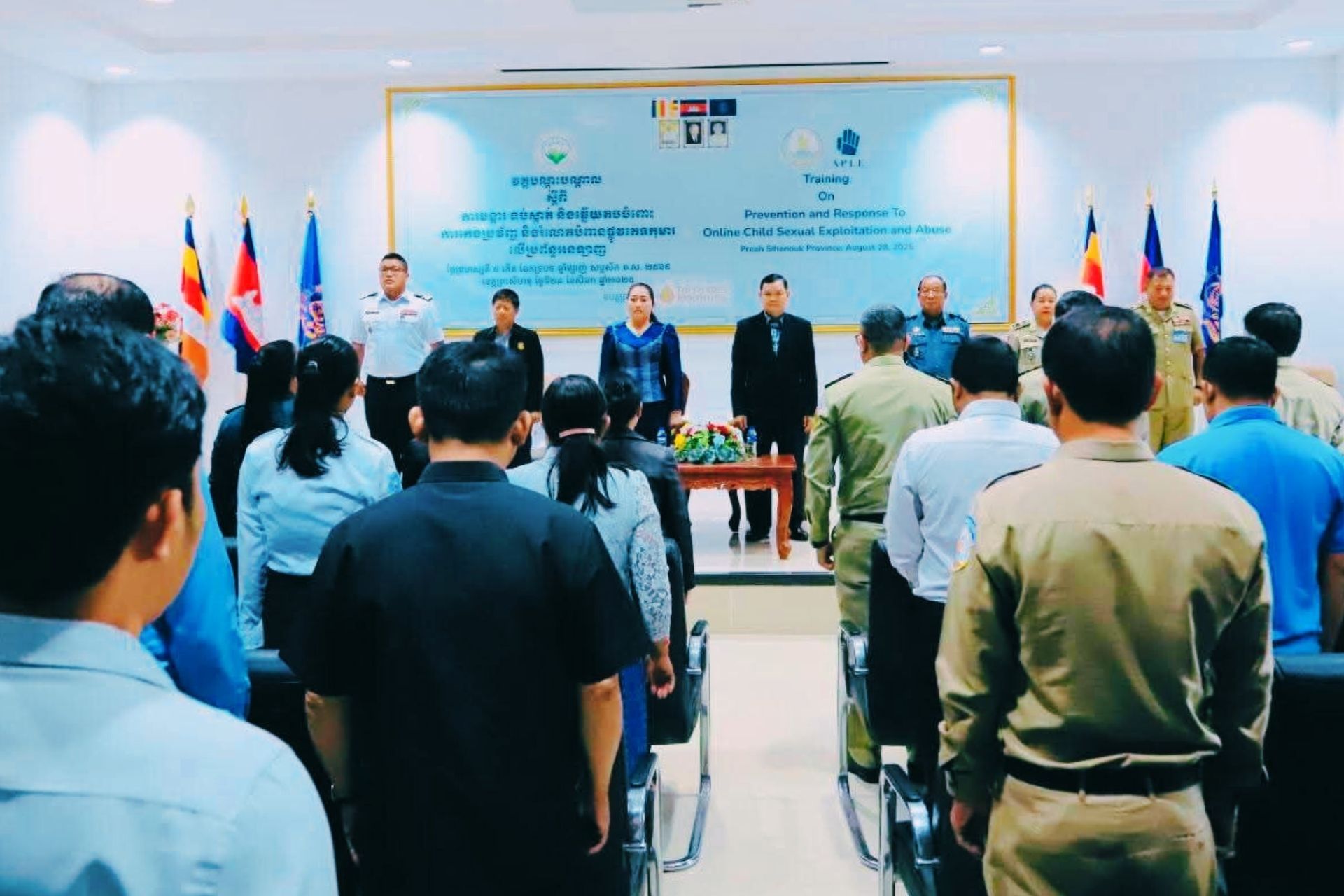
Child‑friendly sessions for students and youth on body safety, digital safety, grooming, sextortion and how to seek help. Parent and caregiver workshops on recognizing signs, safe online use, positive parenting and how to report concerns. Training for community leaders, local authorities and protection volunteers to identify risks, conduct early interventions and coordinate referrals. Community‑led monitoring teams that map local risks and trigger rapid support.
Public awareness and information sharing
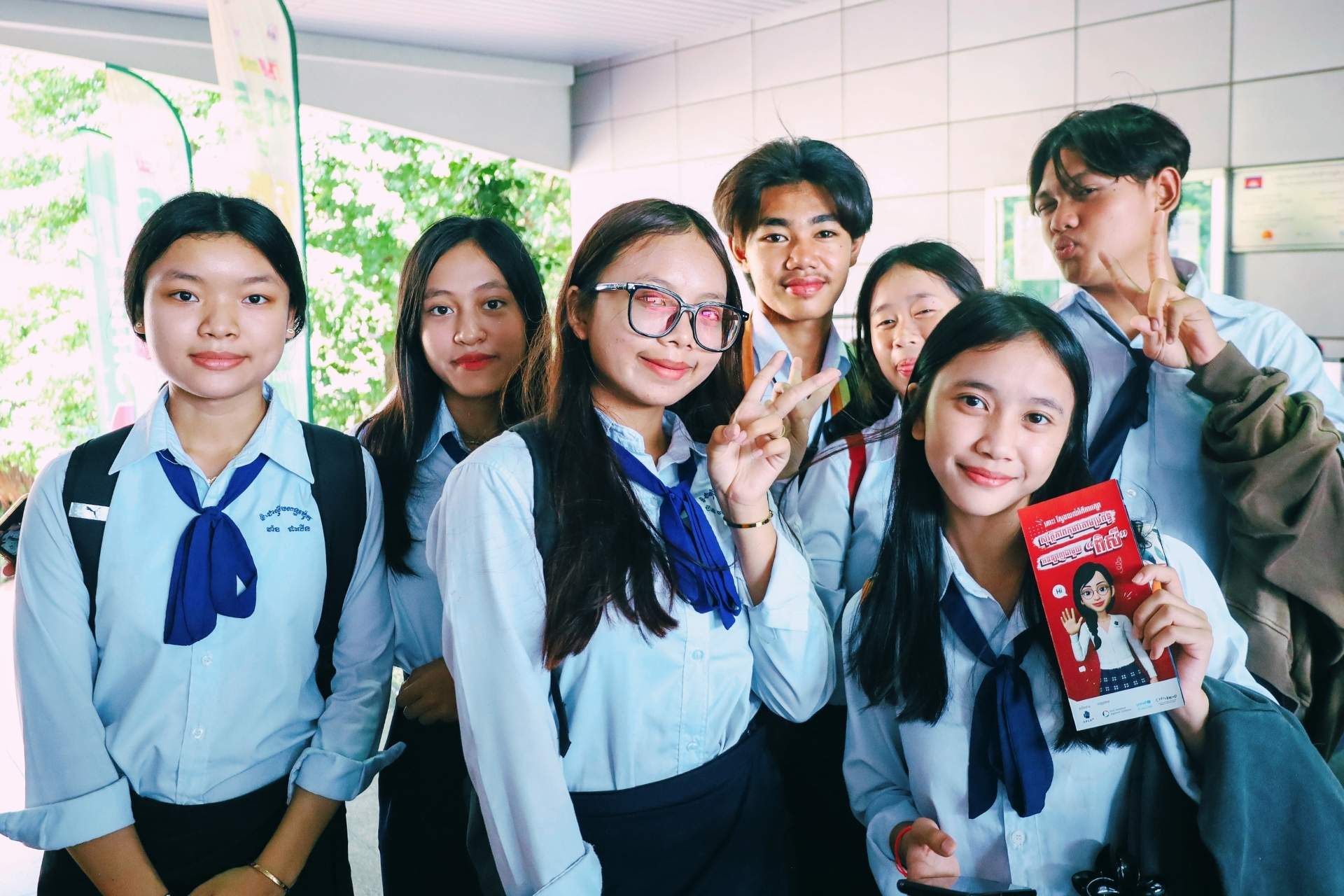
National and local campaigns that use simple, culturally appropriate messages co‑designed with children and youth. Child‑friendly information materials (bilingual) explaining rights, reporting channels and available support services. Evidence‑based content to counter myths, reduce stigma and encourage prompt reporting to police or APLE’s hotline. Strengthen coordination with schools, social services and law enforcement to ensure child‑friendly, survivor‑centered responses.
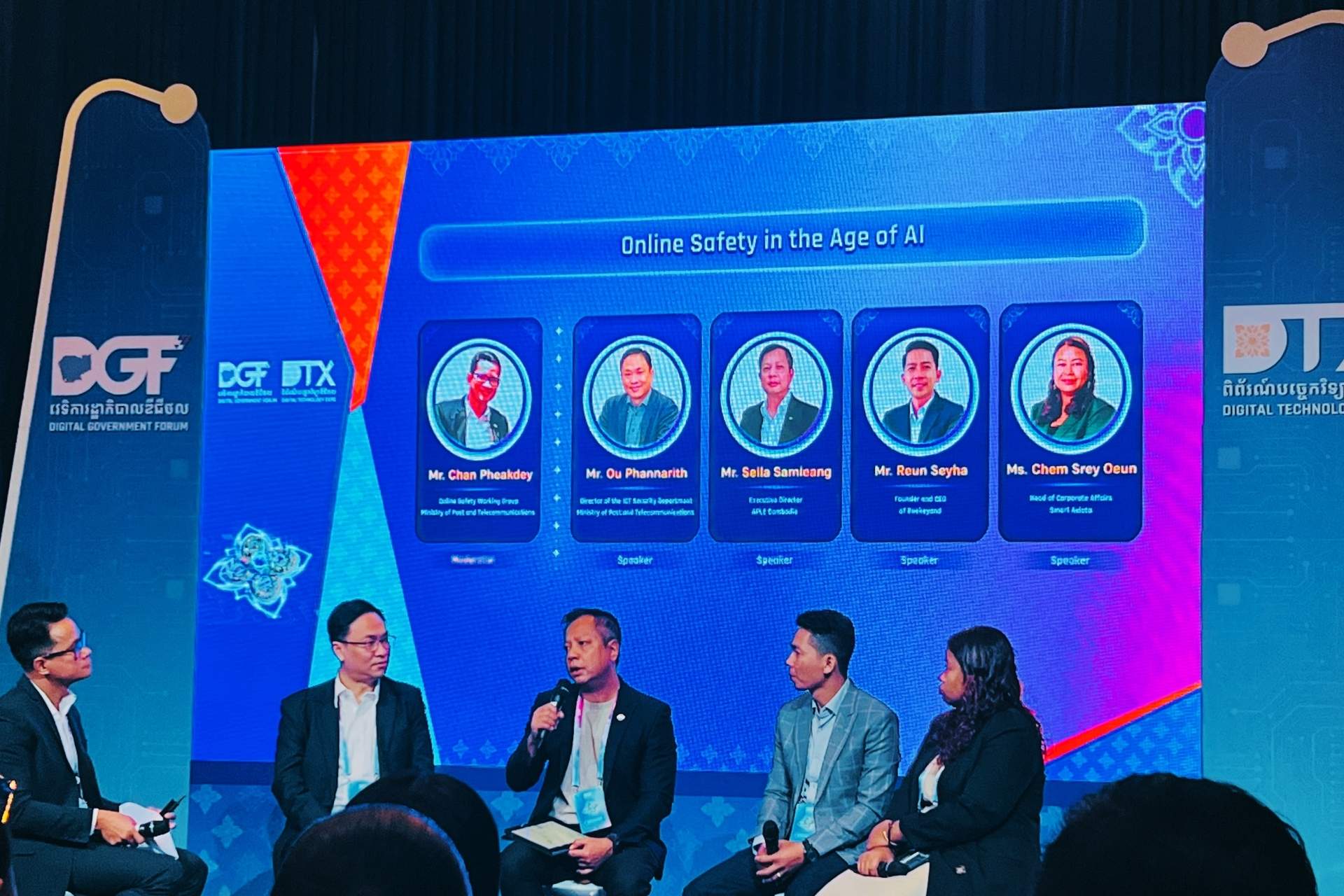
Industry engagement and regulation
As a member and promoter of The Code, APLE helps hotels, guesthouses, travel agencies, tour operators and guides adopt child‑safeguarding policies, staff training, reporting SOPs and customer awareness. Capacity building for platform teams and media professionals on appropriate terminology, privacy protection, ethical reporting, evidence preservation, and referral pathways to law enforcement and hotlines. Promote alignment with national child‑protection frameworks.
Barriers the Program Addresses
Children face unique and often compounding obstacles in accessing information, services and justice. Our program is designed to tackle common barriers seen in many countries, including Cambodia.
- Low awareness, stigma and fear that deter reporting and help‑seeking
- Normalization of exploitation in travel/tourism and unregulated volunteerism
- Rapidly evolving online risks, misinformation and weak reporting pathways for CSAM and grooming
- Limited coordination between community actors, media and industry
- Jargon‑heavy messages that are hard for the public and informal sector to understand
Program Needs
Why This Matters
Child sexual exploitation and abuse is evolving with digital platforms, travel and voluntourism. Justice systems everywhere face resource constraints and complex cases.
Child sexual exploitation and abuse is evolving with digital platforms, travel and voluntourism.

Justice systems everywhere face resource constraints and complex cases to handle effectively.

Child‑centred practice can reduce impunity, improve survivor recovery, and deliver justice that deters future offending.
Achievements in 2025
People Educated/Trained
Training Sessions Conducted
Awareness Raising Events Organized
Workshops and Meeting Held

Learn More
Important Terminologies
Using correct terminology helps in advocating for the seriousness of the crime and encourages appropriate legal action and social response.
refers to images, videos, writings, and/or recordings of child sexual abuse or exploitation
The term child sexual abuse material is increasingly being used to replace the term child pornography. This switch of terminology is based on the argument that sexualized material that depicts or otherwise represents children is indeed a representation, and a form, of child sexual abuse, and should not be described as pornography. As the hotline and child protection professional, we prefer to use the terminology 'CSAM', to 'Child Pornography', The term we use does matter. To learn more about terminology guidelines, click here.
refers to the act of soliciting a child, either in person or through the use of the internet for sexual purposes such as to receive sexual images online or to meet in person to sexually exploit him/her
refers to the act of using self-produced sexual messages/pictures of a child in order to threaten him/her for sexual favor, money or other benefits
refers to the act of using a child in sexual activities that are recorded and transmitted live over the Internet
refers to the act of sexually exploiting a child that is involved in a context of travel, tourism, or both, and can be
committed by either foreign or domestic tourists and travelers
refers to the act of forcing a child to have sex against her or his will, often involving the use of physical force or violence
refers to the act of involving a child in sexual activity against his/her consent such as touching the child's genital or molesting the child for sexual gratification
Ask Question
Frequently Asked Questions
How we collaborate with multi-sectors to prevent crimes
APLE collaborates with various entities such as government agencies, law enforcement, private companies, and media to promote the prevention of and response to child sexual abuse and exploitation. We closely coordinate with the Ministry of Education, Youth and Sport, the Ministry of Social Affairs, Veterans and Youth Rehabilitation, the Ministry of Post and Telecommunications, the Cambodian Red Cross Phnom Penh branch, and other non-governmental organizations. Our aim is to enhance national understanding of child sexual abuse and exploitation and encourage active participation from all parties involved in child protection systems.
How we build the skills and knowledge and engage with the prevention network
APLE offers targeted awareness-raising and training programs for various groups, including child protection professionals, community leaders, local authorities, and businesses. The aim is to address the inadequate knowledge about sexual abuse and exploitation of children. Through these educational initiatives, participants can identify risks, report suspected cases, seek help, and take preventive measures to avoid harm. Moreover, APLE values the voices and opinions of children and seeks to involve them in the prevention of risks and development of interventions. Their views and perspectives are used to shape the programs and strategies.
How we build the skills and knowledge and engage with the prevention network
APLE offers targeted awareness-raising and training programs for various groups, including child protection professionals, community leaders, local authorities, and businesses. The aim is to address the inadequate knowledge about sexual abuse and exploitation of children. Through these educational initiatives, participants can identify risks, report suspected cases, seek help, and take preventive measures to avoid harm. Moreover, APLE values the voices and opinions of children and seeks to involve them in the prevention of risks and development of interventions. Their views and perspectives are used to shape the programs and strategies.
How we work with media and the industry
As a member of the Code, APLE make a significant effort to enhance the capacity of the travel and tourism sector and facilitate the implementation of the Code. Our aim is to promote comprehensive regulations for hotels, travel agencies, and related businesses to effectively engage and take action towards safeguarding children in their services.
We build on our technological and media industry advancements and ensure that complementary policies and regulatory frameworks are established to enable greater prevention and capabilities of the industry to prevent and respond to all forms of child sexual exploitation. Moreover, we continue to enhance the knowledge and skills of industry staff to effectively utilize existing child protection measures.
APLE supports the development of further legislative measures and conduct training for media professionals and tech company personnel to enable them to use appropriate terminology related to child sexual abuse and exploitation.
How we work with media and the industry
As a member of the Code, APLE make a significant effort to enhance the capacity of the travel and tourism sector and facilitate the implementation of the Code. Our aim is to promote comprehensive regulations for hotels, travel agencies, and related businesses to effectively engage and take action towards safeguarding children in their services.
We build on our technological and media industry advancements and ensure that complementary policies and regulatory frameworks are established to enable greater prevention and capabilities of the industry to prevent and respond to all forms of child sexual exploitation. Moreover, we continue to enhance the knowledge and skills of industry staff to effectively utilize existing child protection measures.
APLE supports the development of further legislative measures and conduct training for media professionals and tech company personnel to enable them to use appropriate terminology related to child sexual abuse and exploitation.
Complexities