About Us

We Are In A Mission To
Help The Helpness

Founded in 2003, Action Pour Les Enfants (APLE) is a leading child‑protection NGO in Cambodia. We began as a front‑line response to street‑based child sexual abuse and exploitation, helping police investigate crimes and providing legal support to child victims and their families. Over two decades, APLE has expanded its work to deliver integrated protection across prevention, investigation, victim support and policy change.

0

People reached through awareness and education campaigns

WHAT WE DO

Inter-Connected Pillars

APLE works through four inter‑connected pillars to prevent abuse, protect victims, and hold perpetrators to account.

Advocating for Policy & Legislative Reforms

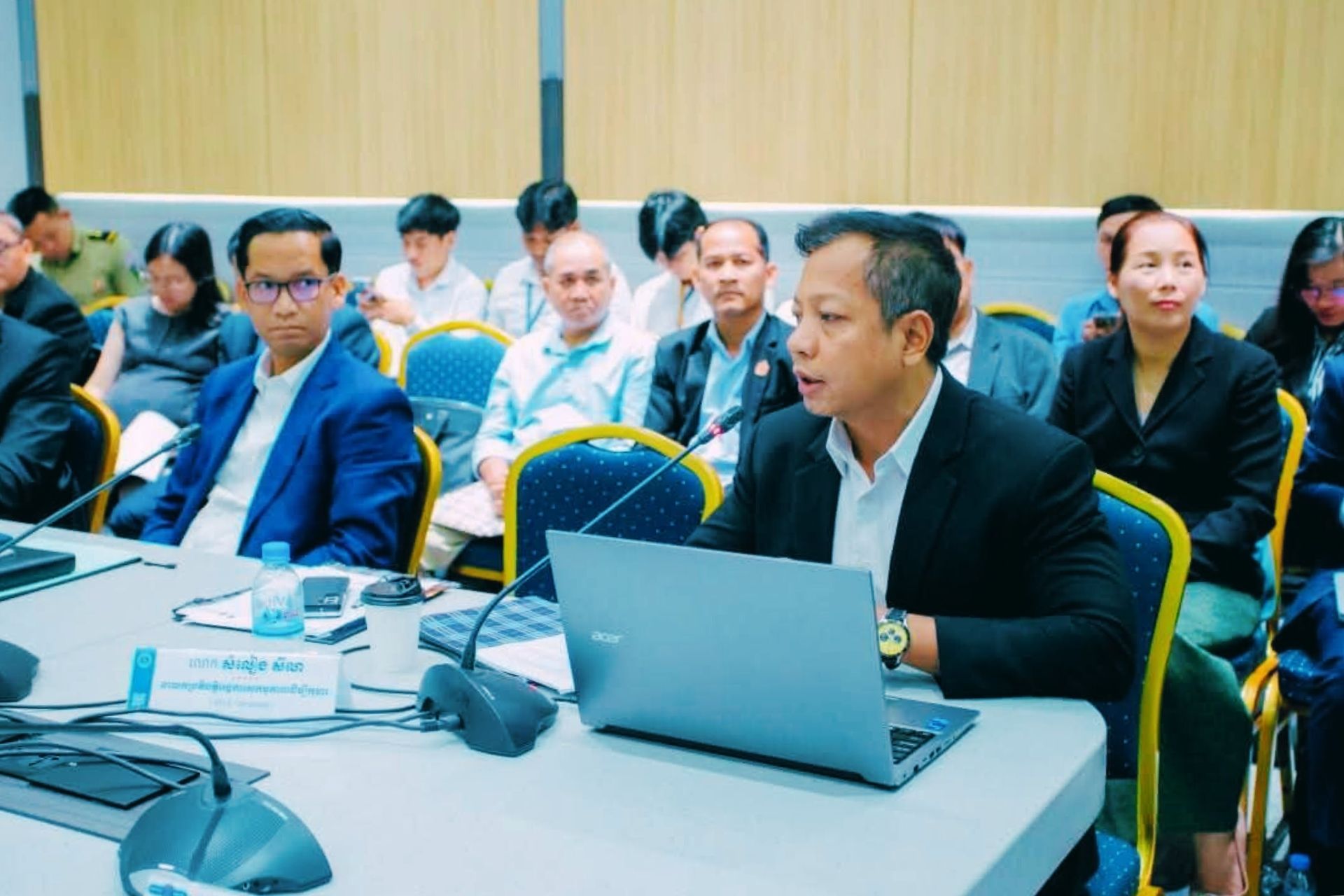
We use research, evidence and the voices of child survivors to influence laws, policies and national plans. APLE partners with government bodies, ministries, national committees and law enforcement, to improve legal protections, child‑friendly procedures and coordinated national responses to online and offline exploitation.

Strengthening Criminal‑Justice Responses

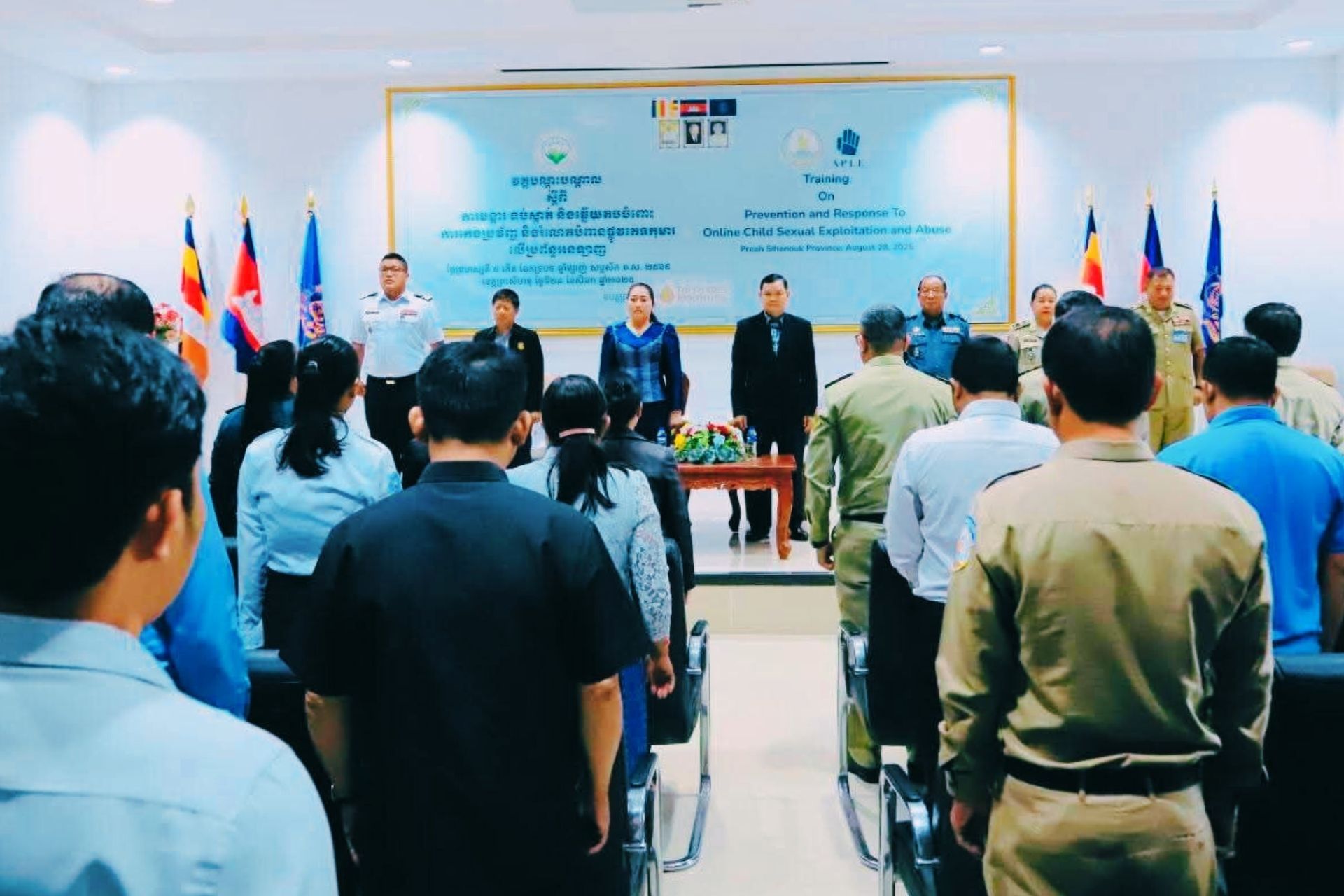
APLE conducts proactive investigations, builds forensic evidence, and works closely with the Anti‑Human Trafficking and Juvenile Protection Units and international law‑enforcement partners. We train police, prosecutors and judicial actors on victim‑focused practices and have established child‑friendly interview rooms in police and social‑welfare offices.

Comprehensive Survivor Protection & Support

Since 2005 we have provided integrated social and psychosocial care, medical referrals, legal representation and reintegration support. Our teams prepare and accompany children through investigations and court proceedings to reduce re‑traumatization and improve access to justice.

Prevention & Community Engagement

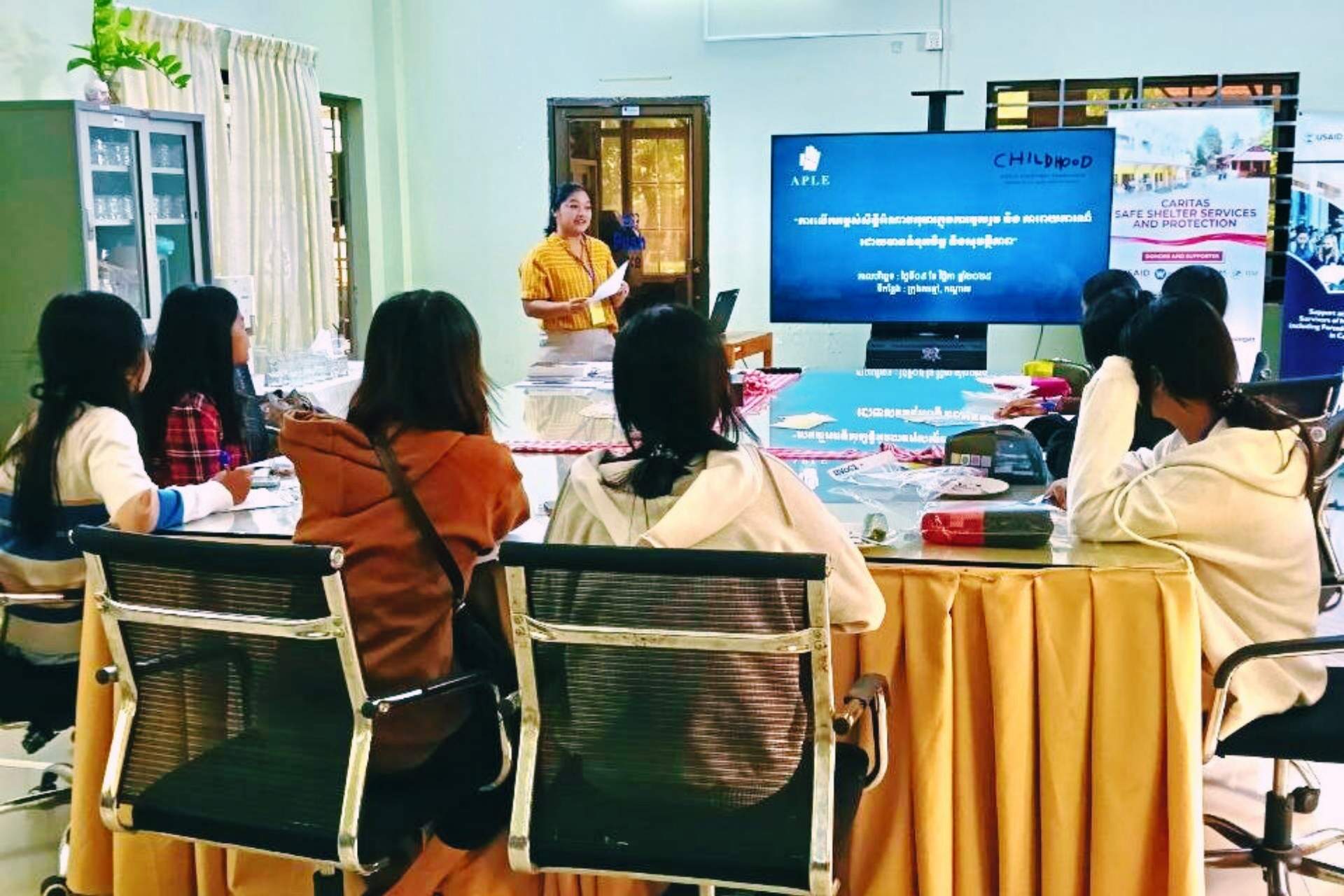
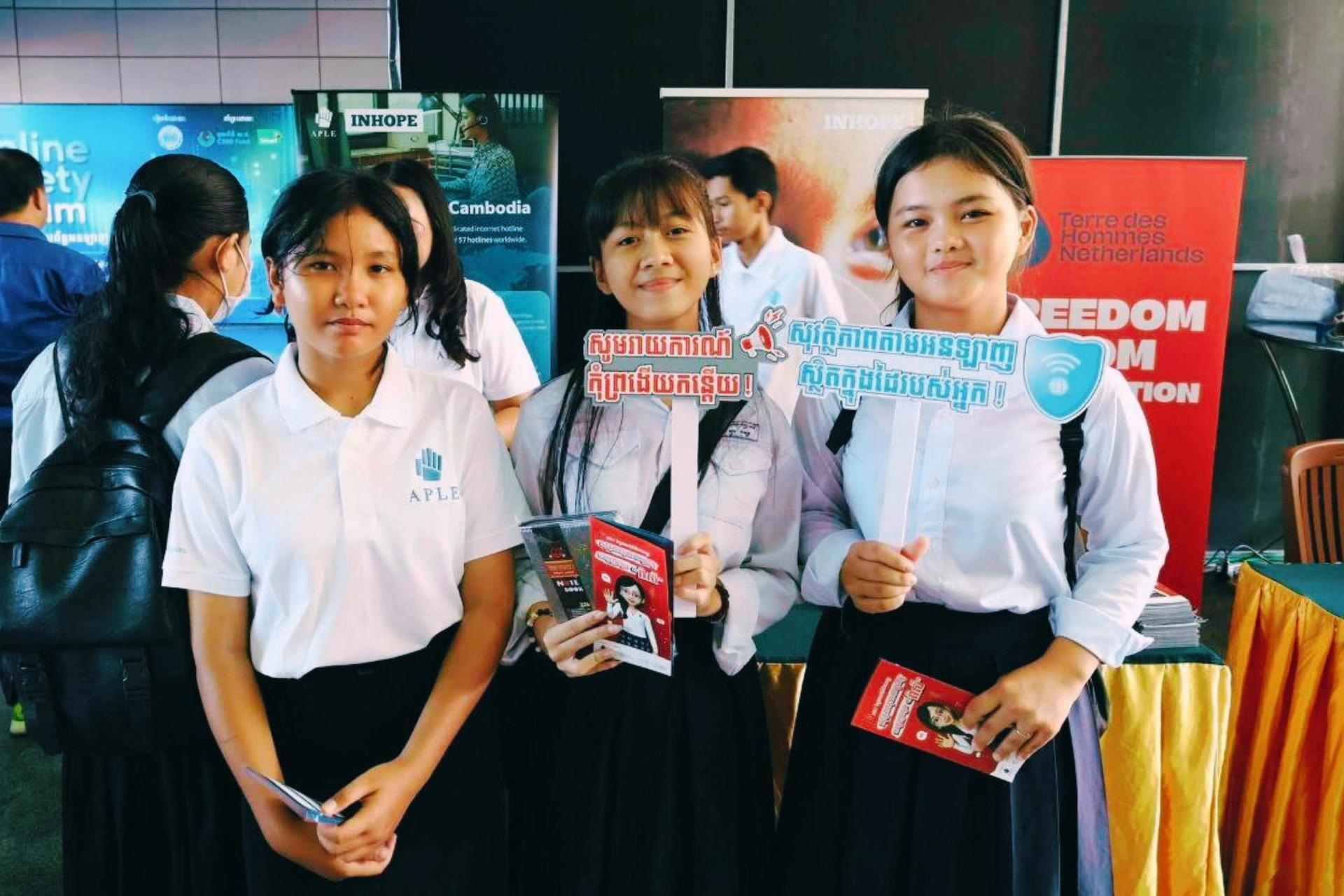
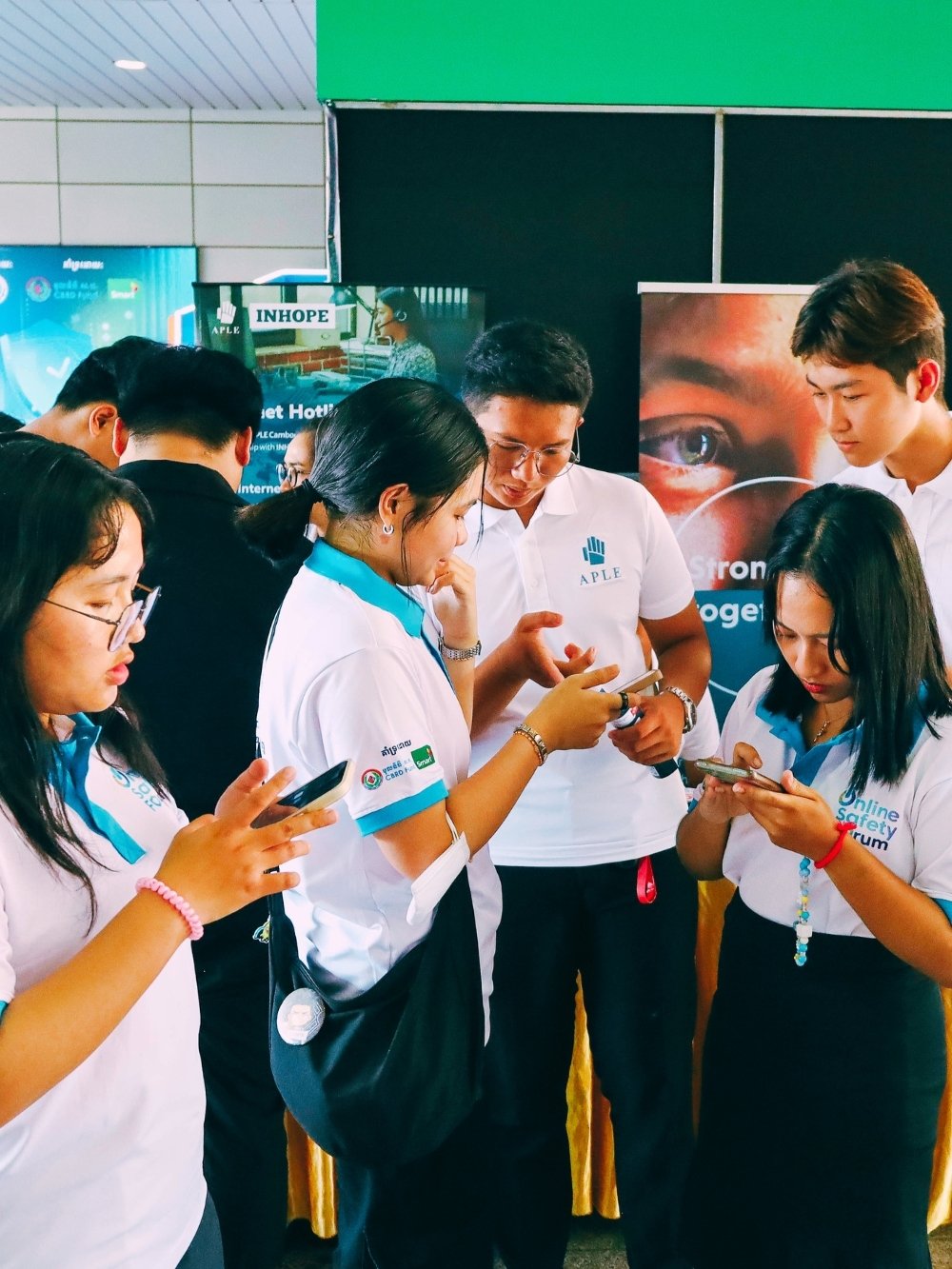
We run awareness campaigns, community training, school programs and targeted industry engagement (tourism, volunteer groups, digital platforms). APLE operates Cambodia’s only INHOPE‑linked internet hotline for reporting child sexual abuse material and provides 24/7 bilingual support for reports and advice.

Get Involved

Challenges We Address

Child sexual exploitation and abuse is evolving. Offenders exploit travel, voluntourism, new digital platforms and poverty‑driven vulnerabilities. Cultural stigma, and limited resources remain major barriers. APLE focuses on high‑impact, sustainable interventions to meet these challenges.

Disrupting Harm Cambodia (2022) found 11% of internet-using children faced OCSEA risks. APLE identifies and detects via its Internet Hotline, analyzes URLs, preserves digital evidence, issues INHOPE notice‑and‑takedown, escalates to police/ISPs, supports survivors, and prevents harm through training, parental guidance, knowledge dissemination, and campaigns.
OCSEA

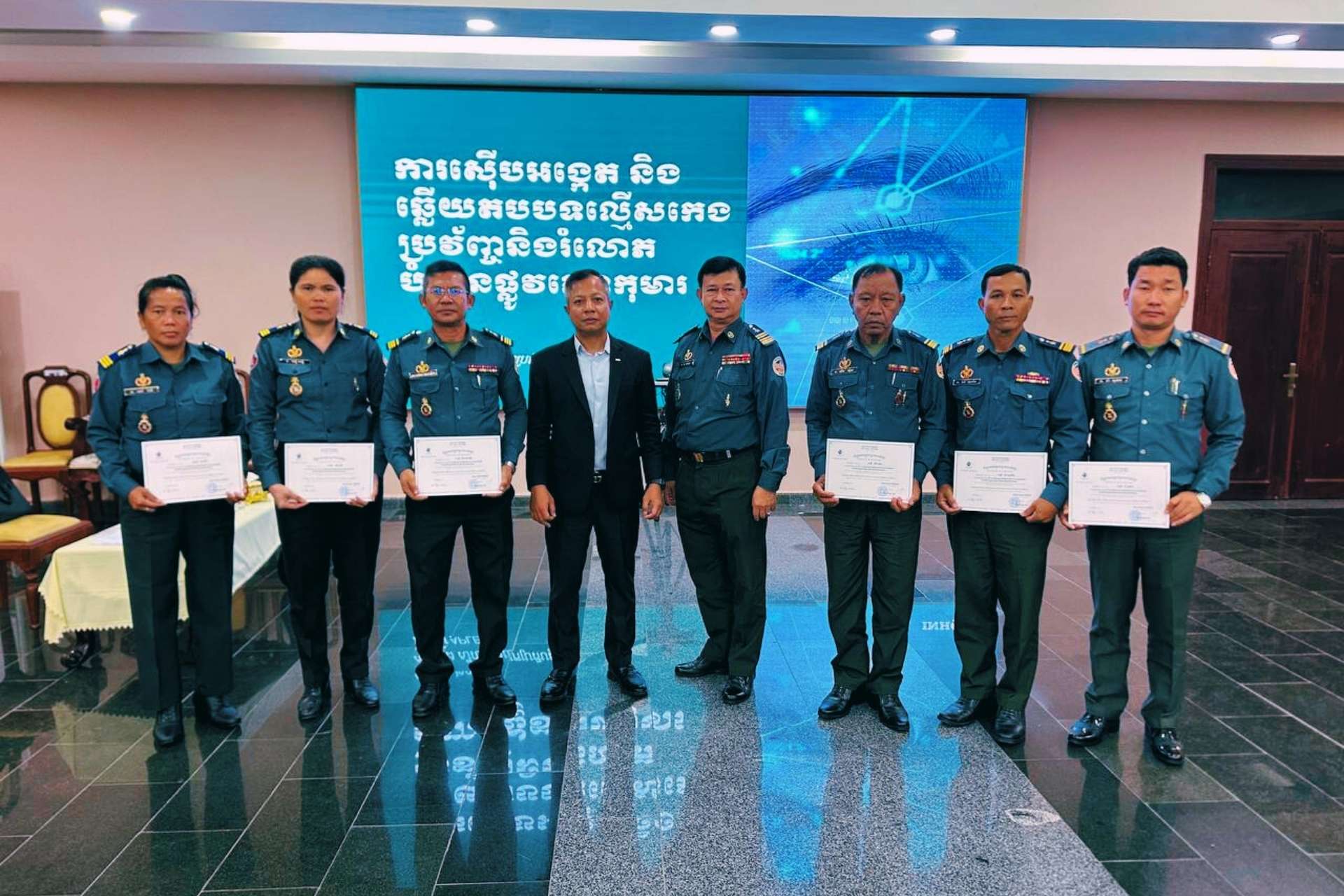
Identifying, Detecting, Preventing, and Responding to Online Child Sexual Exploitation and Abuse

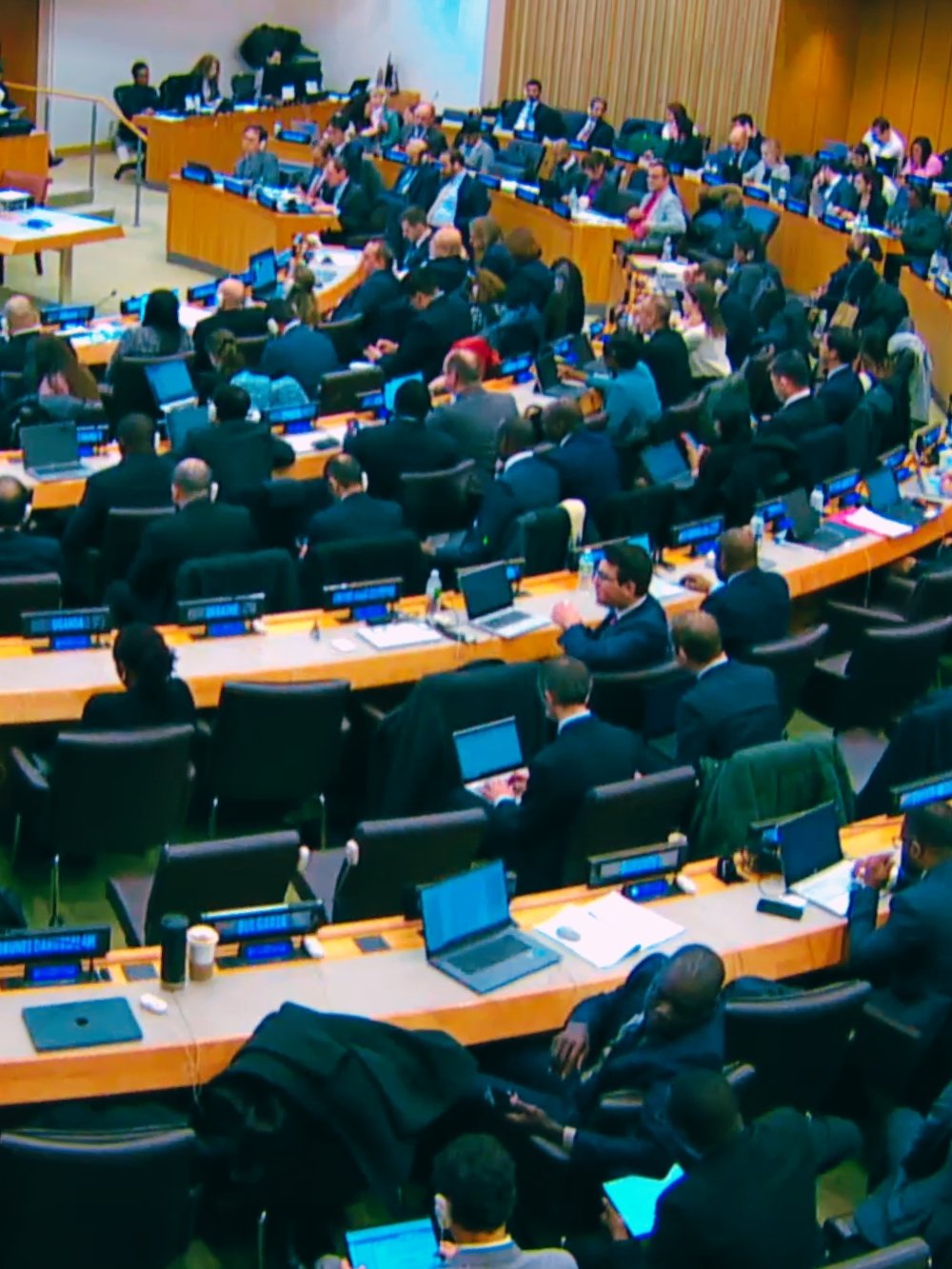
ECPAT’s Global Study documented SECTT in 100+ countries, with offenders increasingly domestic. APLE strengthens criminal justice capacity by training police and justice professionals, conducting joint operations, evidence-led case building, and industry reporting via The Code. APLE helps to secure victim-centered prosecutions and coordinates cross-border cooperation.
SECTT

Strengthening Criminal Justice Capacity to Combat Sexual Exploitation of Children in Travel and Tourism

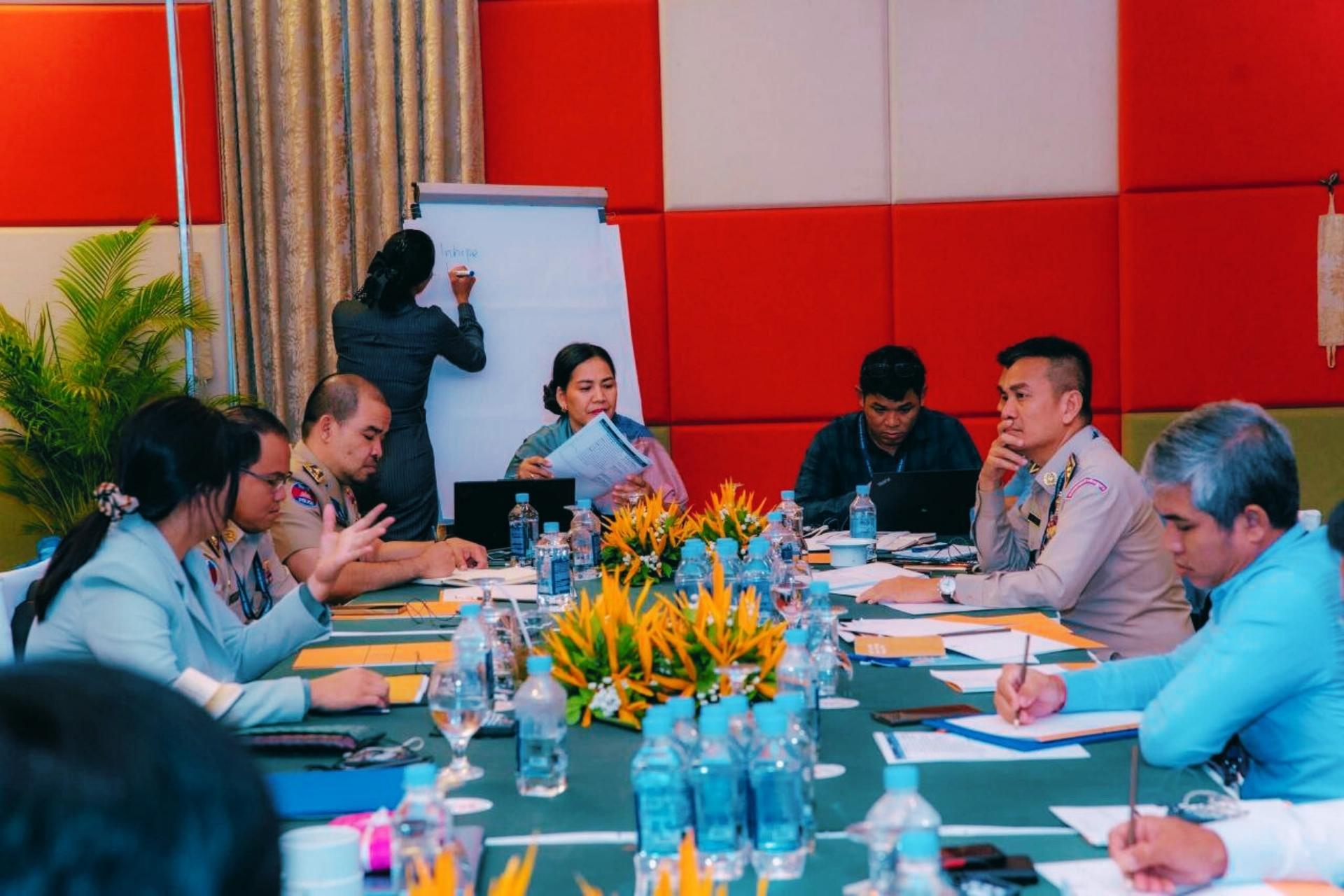
In Cambodia, 77% of children in residential care have living parents (MoSVY/UNICEF, 2017), and unvetted volunteering increases grooming risks. APLE trains communities, NGOs and tour operators on screening and codes of conduct, establishes reporting lines to police, monitors access to children, and runs campaigns discouraging orphanage visits and promoting The Code compliance.
Voluntourism

Promoting Collective Actions against Child Sexual Exploitation in the Context of Voluntourism

Our History

APLE History & Timeline

  • Start Here

    Founded

    APLE began in 2003 as an international NGO in Cambodia with a clear mission: protect children, support survivors, and strengthen justice against sexual exploitation and abuse. Over time, APLE evolved into a multidisciplinary organization—localizing leadership and governance, expanding prevention and survivor services, launching a national Internet Hotline, and driving policy and legal reform. Today, APLE is a Cambodian local NGO, rooted in communities and connected to global networks, delivering child-friendly, trauma‑informed support and systems change.

    2003-2008

    Focus: Strengthening criminal justice responses to child sexual exploitation and abuse, supporting investigations and prosecutions. Practice shifts: Promoting child‑friendly procedures. Survivor support: Early court accompaniment and basic psychosocial assistance to reduce re‑traumatization and help families navigate the system. Partnerships: Initial collaboration with police, prosecutors, social services and emerging child‑protection NGOs.

  • Launch of the APLE Internet Hotline with INHOPE

    2015

    Hotline operations: Established a secure, anonymous channel to report child sexual abuse material (CSAM) and online child exploitation. Global routing: Joined INHOPE, the global network of 54 internet hotlines across 50 countries, enabling rapid cross‑border notice and takedown with ISPs, platforms and law enforcement. Digital capability: Built analyst capacity for content assessment, evidence handling and partnership workflows with Cambodian authorities.

    2009-2014

    Comprehensive casework: Formalized Victim Support and Assistance, including counseling, legal guidance, and coordinated referrals. Case management: Introduced structured, child‑centered case management and standard operating procedures (SOPs) aligned with government pathways. Community engagement: Launched targeted awareness for children, youth, caregivers and local leaders to recognize risks and seek help. Industry outreach: Began training in travel and tourism and other at‑risk sectors to prevent facilitation and strengthen reporting. Government coordination: Deepened relationships with MoSVY/DoSVY and other line ministries to improve identification, protection and referrals.

  • Community, media and industry engagement at scale

    2016

    Prevention first: Expanded child‑friendly education on body safety, digital safety, grooming and sextortion for students and youth. Caregiver and leader training: Equipped parents, teachers, community leaders and local authorities to identify risks, report safely and coordinate early interventions. Industry standards: Promoted The Code of Conduct for the Protection of Children in Travel and Tourism (The Code); trained hotels, guesthouses, tour operators, taxi/tuk‑tuk drivers, market vendors and local guides. Media and tech: Supported ethical reporting, privacy protection and the use of appropriate terminology (for example, “child sexual abuse material—CSAM”) and streamlined platform reporting pathways.

    2022-Present

    Multi‑sector coordination: Reinforced joint working groups with ministries, law enforcement, social services, schools, media and industry to move policy from paper to practice. Public awareness and reporting: Scaled child‑friendly campaigns and hotline promotion to increase safe, anonymous reporting and faster takedowns of illegal content. Quality and accountability: Strengthened monitoring, evaluation and learning (MEL), safeguarding audits and continuous professional development across teams.